
Sports Columnist for the Washington Post, Thomas Boswell, once said “More than any other American sport, baseball creates the magnetic, addictive illusion that it can almost be understood.”
For years, we’ve read memoir after memoir, and page after page of people making sense of their playing days, and every journey is always different than the next. Even for the guys on the field, the game of baseball is a game of change, a game that will rotate on an axis one day, and take you out of your element. This collection of anecdotes by Ron Darling tries to pull together a collection of different characters and stories, and turn it into something more cohesive with the benefit of wisdom and hindsight.
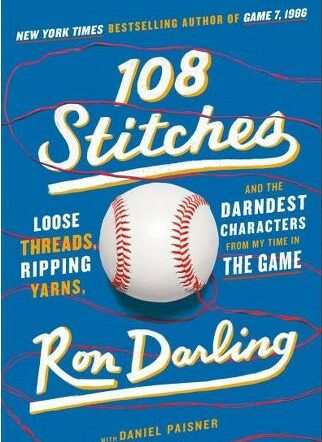
The book is subtitled: “Loose Threads, Ripping Yarns, and the Dardest Characters From My Time in The Game” and it describes the premise of the book in an excellent manner. Altogether, this book is a collection of anecdotes that don’t necessarily tie in together if not for the unifying trait that is Ron Darling. At no point in throughout the book does any one of these seemingly random stories seem out of place, as Darling conjoins stories without restriction of place or some.
Darling’s story telling is very entertaining, and the book itself is tough to put down. So many of these stories will stick in ones mind hours, and even days after reading them.
Now on his third book, this one with the assistance of Daniel Paisner, one can truly sense the reflectiveness, and advent maturity that seems to often be lost in people who may have held such great stature. Darling is extremely honest throughout the pages of this book, not only about the players he donned the uniform beside or against, but about himself, as well. This book does not hold back punches about the guys Darling played with, and he is particular rough, but also fair, about the characters of those he interacted with.

Beyond just his teammates and opponents, Darling is extremely honest about himself. There isn’t any shying away about who he was, nor the things that he did. What is particularly impressive about this is that in a time of what may be considered “call-out culture,” while many may shy away from, and fear, accountability, Darling sinks in and owns who he was, and notes the room for growth and for learning.
Making personal observation of the times he may have slighted someone, or even how he regarded changes in his career and in those intermingled in those decisions. There is truly an example for all of us to reflect on in there. Previous books by Darling saw him display humility almost to a fault, but in this work, he is fairly balanced and able to walk us in his shoes to understand who Ron Darling is and was.
108 Stitches isn’t all just harsh reflecting; most of the book is particularly humorous. The pages are laced with with bright tales from his playing days, and even days as a commentator of the game itself. Connecting stories involving various different players, managers, and even some staff, from every period of his playing career, up until where he is now. What made who tick? Who had a knack for pranks? Why did these guys have the quirks that they had? All of it is just an insightful look into the life of the game that we would not ordinarily see, or know about.
Darling does continue to impress in the later chapters of the book, particularly noting the impact of the psychological level of the game. Speaking on the need for sports psychiatry, how it was seen, and why it should be different giving examples of guys who could have used it, and those who did and overcame. Particularly in the story of a former pitcher turned position player, and the tough road they had, Darling shows, not only his interest in the game, but for the characters within it.
The only issue with the book is what could, and should, be considered its epilogue. Darling becomes critical of the state of today’s game. While he may be speaking to his audience here who may agree with his take on the change in the game, it is more than just a bit alienating to those of us who yearn at the end of fall and throughout winter for more baseball.
For all the talk of it ruining a game he loved, he may not be considering the game we all still do. It also isn’t reflective of all the periods of change in baseball, be they from the dead-ball to live-ball era, from the lowering of the height of the mound, the restructuring of the playoff bracket, etc. Also, it ignores the fantastic minds that inspired the current baseball revolution like Branch Rickey, who was also viewed with the same skepticism, but in hindsight, we know was onto something.
Despite that brief lapse, I would absolutely recommend this book, not only to any Mets fan, but any fan of baseball. Darling does a magnificent job in doing what he was trying to do in creating structure and cohesiveness to something that was intentionally written without restrictions of chronology or sequence. These pages hold something for every baseball fan, and is worthy of the esteem it will certainly receive.