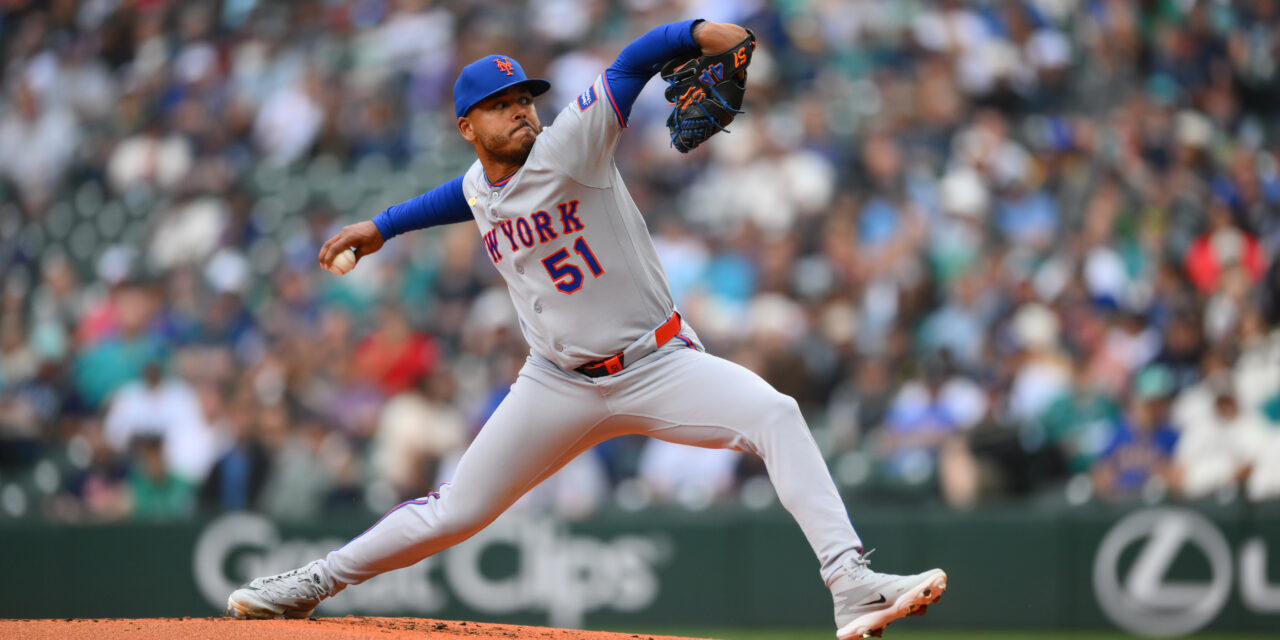
This Mets season was defined largely by what it wasn’t, who didn’t perform, and who ultimately was traded away from the team.
Blame for the season has partly been placed on some of these players, while others were merely victims of the Mets’ overall record at the trade deadline. So let’s take a look at these players and how they performed with the Mets this year.
Steven Bisig-Imagn Images
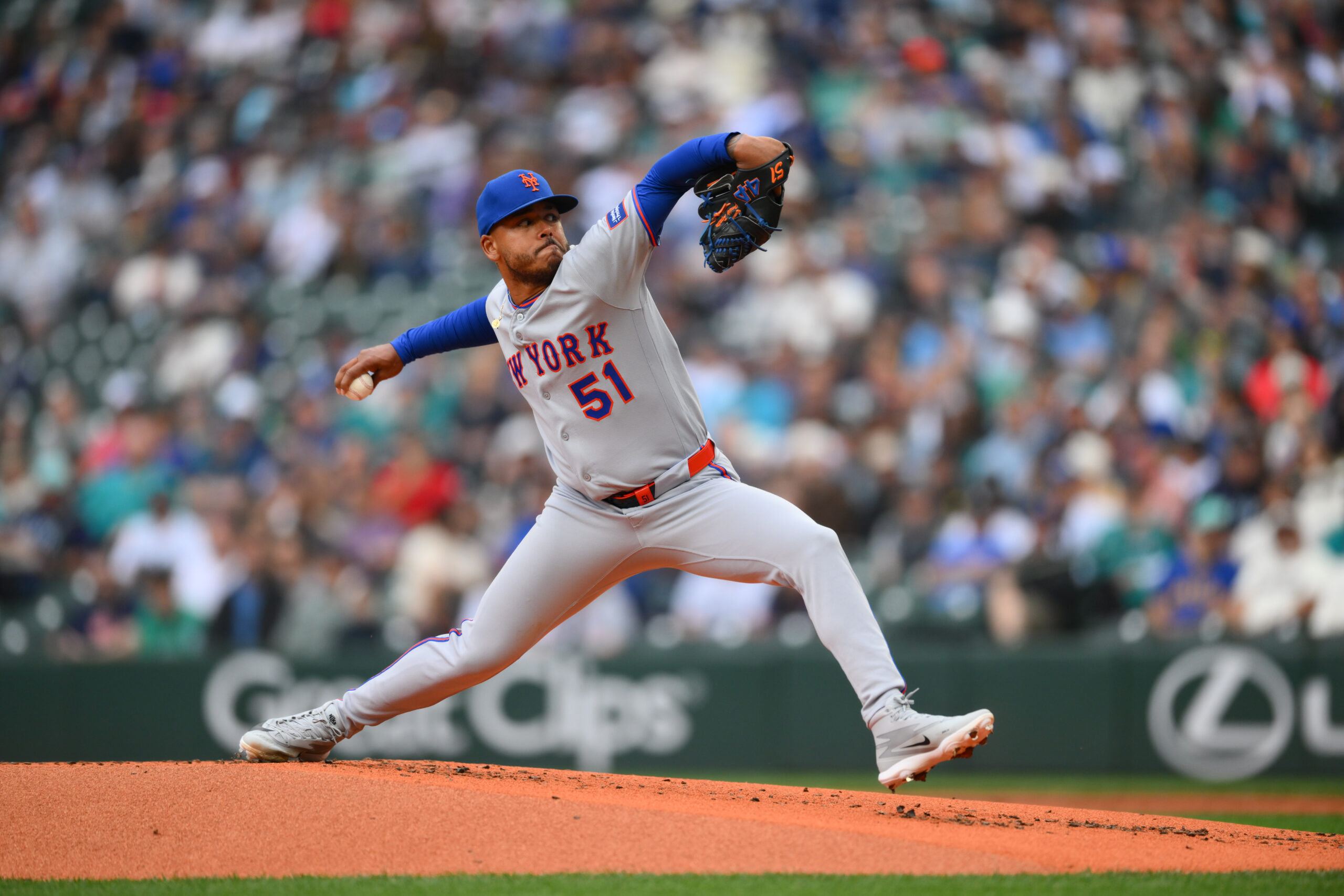
Freddy Peralta, SP
Grade: D
Ultimately, for the Mets and Freddy Peralta, it just didn’t work out.
David Stearns traded for the man they wanted to be their ace ahead of the 2026 season, giving up prospects Jett Williams and Brandon Sproat for a season’s worth of control of the righty. To his career at that point, he’d been known for consistency. Over the previous five seasons, Peralta had missed only about a dozen starts and delivered a 3.30 ERA over his last 738 innings.
The Mets thought they were getting an anchor at the top of their rotation. Instead, they got inconsistent performances and an ERA nearly touching 5 across 22 starts before trading him to the Rays.
Peralta’s biggest problem seemed to be with pitch sequencing and eventual bad luck. His underlying metrics—expected stats, pitch spin and movement, etc.—were not far different than previous seasons. But the Mets consistently referred to not being able to help Peralta get where they wanted him to be. They couldn’t get him to pitch how they wanted him to pitch. After a rough first couple of starts with the Rays, they have. Over his last six regular season starts, Peralta pitched to a 0.79 ERA over 34 innings. He’s now trying to help the Rays reach the World Series.
Wendell Cruz-Imagn Images
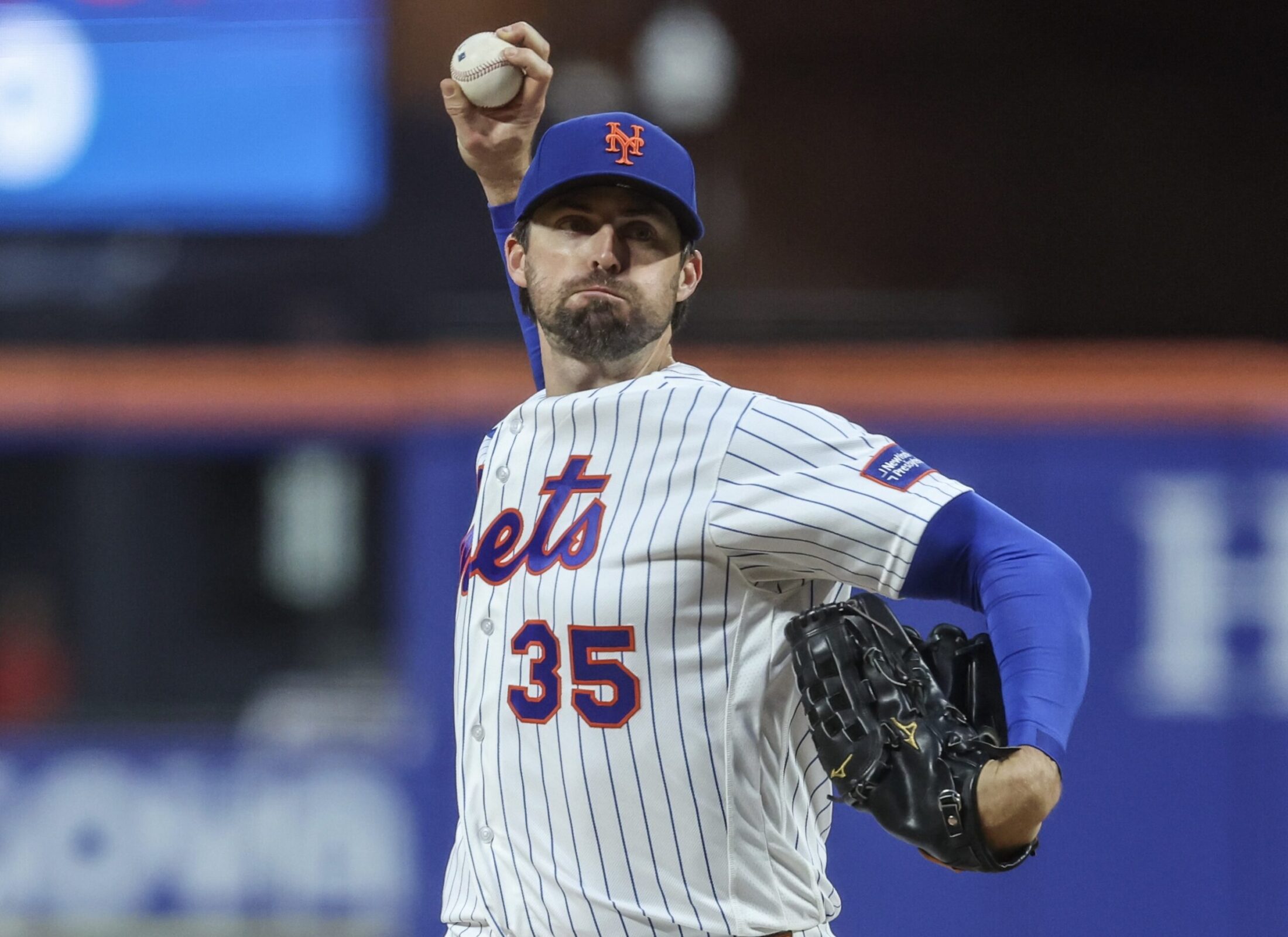
Clay Holmes, SP
Grade: B
Clay Holmes was one of the best free agent signings of David Stearns’ tenure so far.
In just a season and change, the Mets got 218 innings and 3.26 ERA out of a reliever-turned-starter—for a good reliever’s salary.
This year, Holmes was off to a fast start. He had a 2.39 ERA through his first nine starts and was the only consistent part of the Mets’ rotation through mid-May. But then, he was hit by a comebacker in the leg, resulting in a fracture that kept him out until the trade deadline. Before making another start for the Mets, they traded him (with Tyrone Taylor) to the Cubs, for their now-best prospect, Jefferson Rojas.
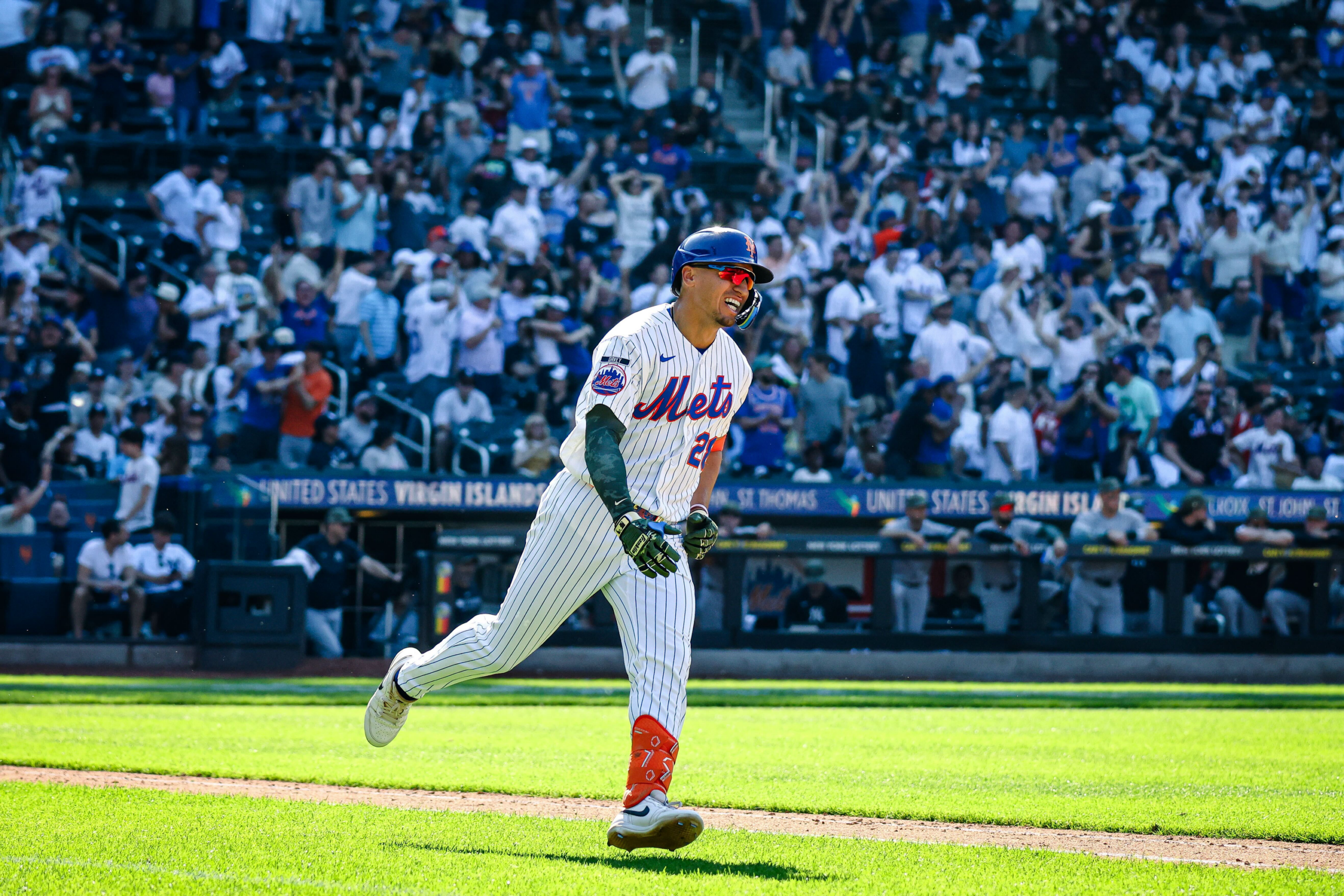
Tyrone Taylor by Berto Carlo
Tyrone Taylor, OF
Grade: B
Like Holmes, Tyrone Taylor had been one of Stearns’ best moves. Originally a second piece of a trade for Adrian Houser, Taylor became a fan favorite as a reserve outfielder since arriving before the 2024 OMG season.
As for 2026, Taylor was playing himself into getting cut from the roster. He was one of the worst offensive hitters in the game up until May 25 (his 43wC+ was 13th lowest among players with 100 plate appearances), when he was placed on the injured list with a hip issue. His defense in center was still above average, but with Luis Robert Jr. hopefully returning from injury, Carson Benge and A.J. Ewing playing well, and Juan Soto, Taylor could have been a roster casualty. But after returning from the IL, he posted the best offensive run of his career.
From June 28 through the trade deadline, Taylor slashed .354/.436/.875/1.311 over 55 PAs with seven homers, four doubles and 14 RBI. He was then the boost a Clay Holmes trade package needed to help the Mets land Rojas. While not quite as hot, Taylor posted a .890 OPS over 82 PAs with the Cubs, meaning his OPS stayed over 1.000 for his last 137 PAs of his season. Pretty good.
Brad Penner-Imagn Images
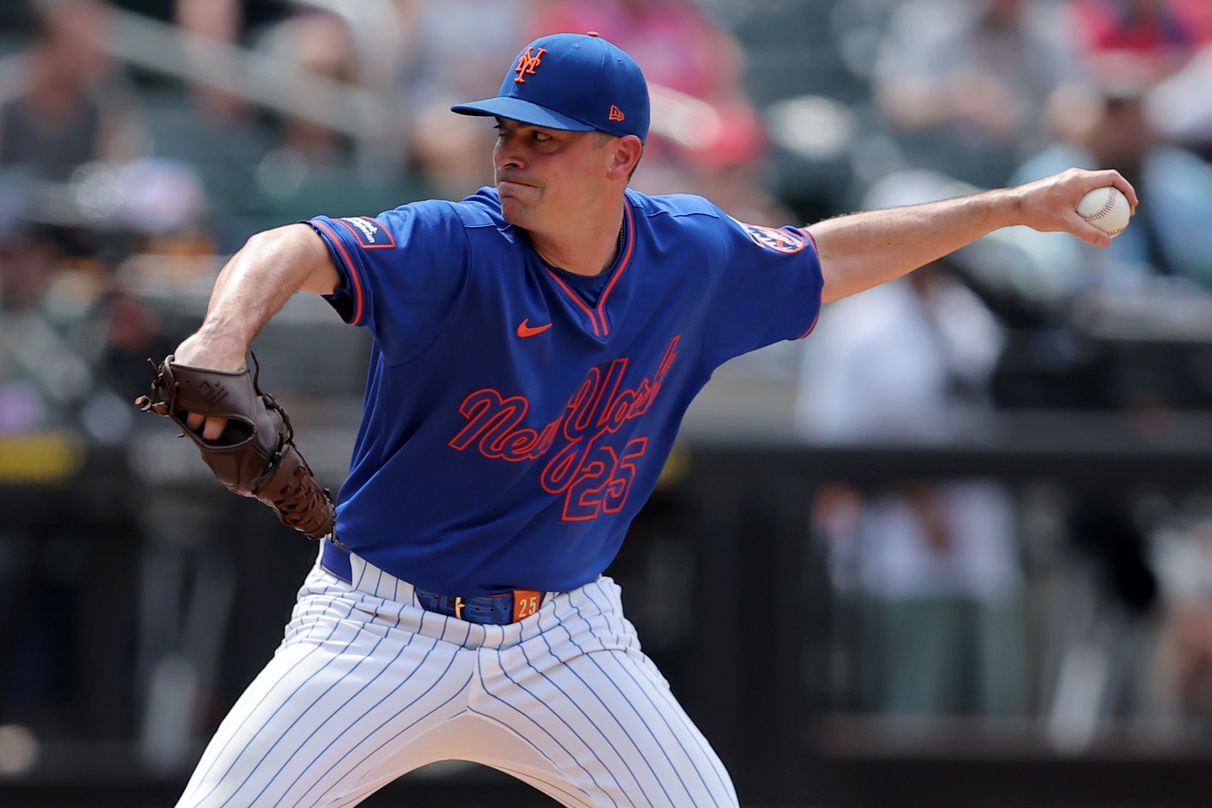
Brooks Raley, RP
Grade: A+
Noticing a theme here… Stearns traded away at the 2026 deadline one of his best front office moves. Though acquired by a previous administration, Raley went down in 2024 with a torn UCL. After the season, Stearns re-signed Raley and let him rehab with the Mets. That paid dividends at the end of the 2025 season, when he posted a 2.45 ERA over 25.2 innings. He was even better in 2026, posting a 1.91 ERA over 41.1 innings. You could argue he was the Mets’ best reliever from the start of the season to the deadline.
He was traded to the Phillies, where he tanked with a 7.94 ERA in just 11.1 innings. He allowed more earned runs in his short time with the Phillies than he did all season with the Mets. But for his time with the Mets? A perfect grade.
Brad Penner-Imagn Images
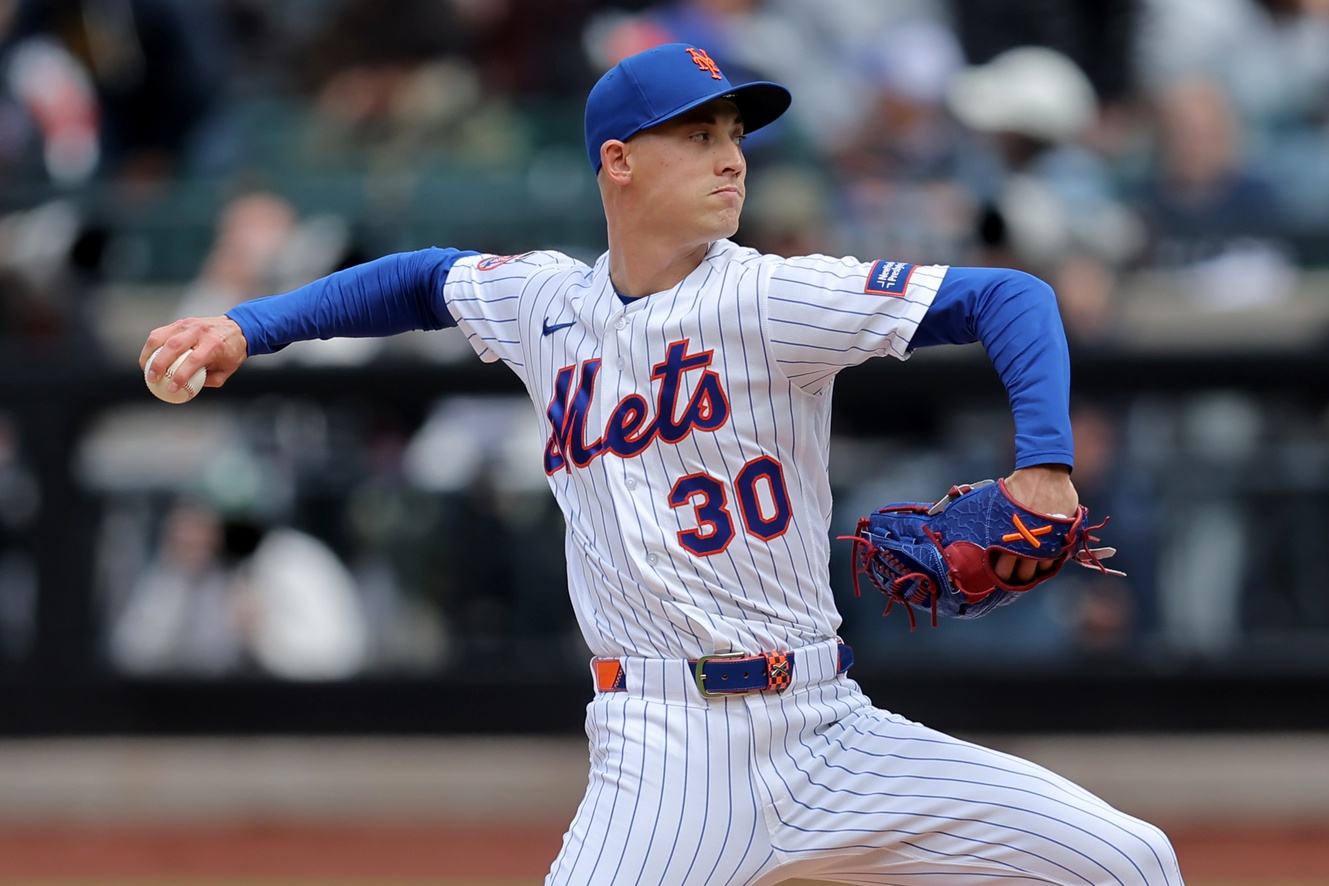
Luke Weaver, RP
Grade: A+
Luke Weaver’s season got off to a slightly rocky start, but from May 1 onward, he was the team’s best reliever. Appearing in 42 games, Weaver allowed earned runs in just four of them (nine runs total). That included a stretch from May 1 to July 5 when he didn’t allow a single run. He ended his short Mets tenure, which only lasted four months into a two-year pact, with a 1.84 ERA in 44 innings. Solid work. Once with the Pirates, Weaver suffered through some illness to a 4.96 ERA over 16.1 innings. The Mets traded him for Sammy Stafura, a power-hitting prospect the team is high on.
Brad Penner-Imagn Images
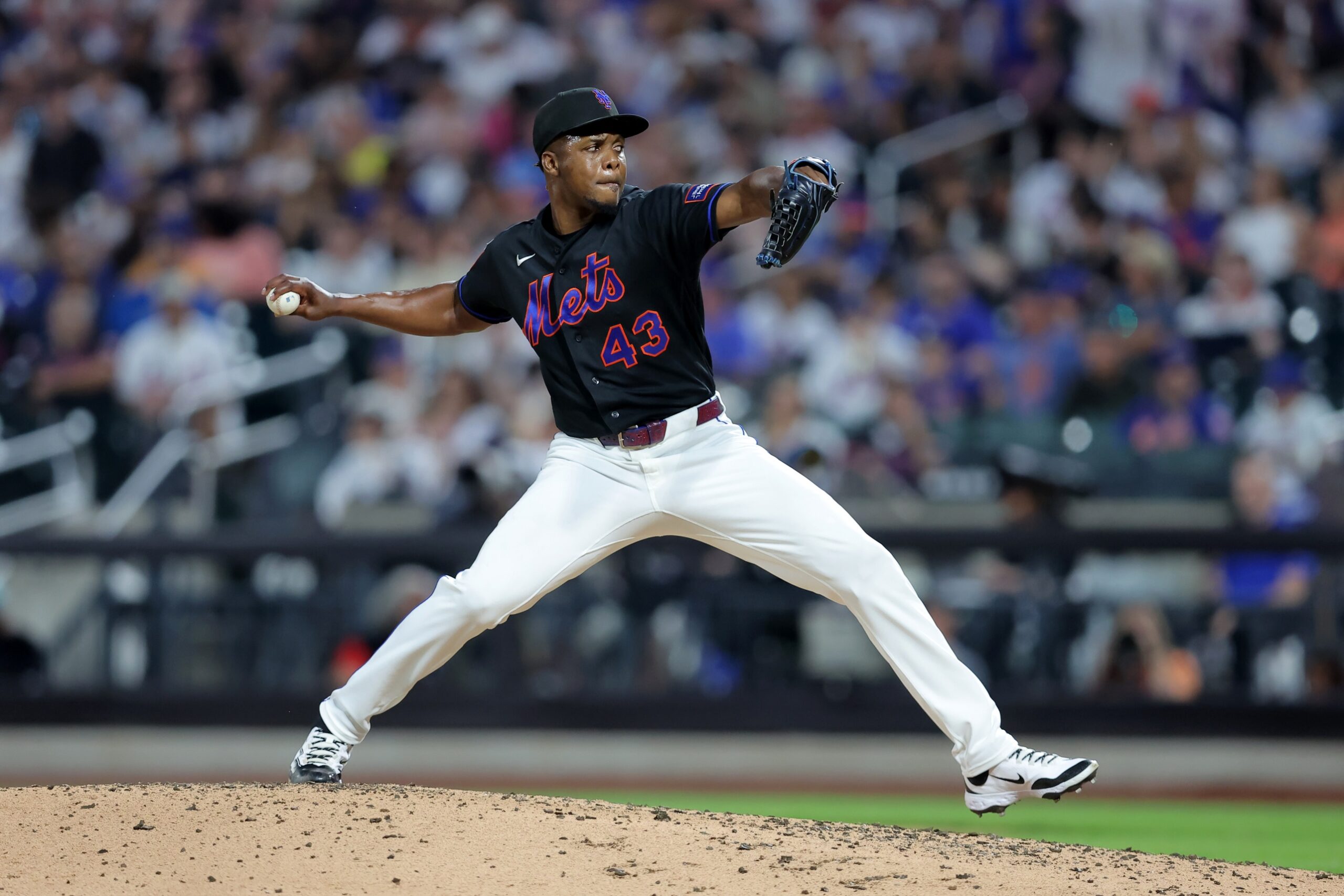
Huascar Brazoban, RP
Grade: B+
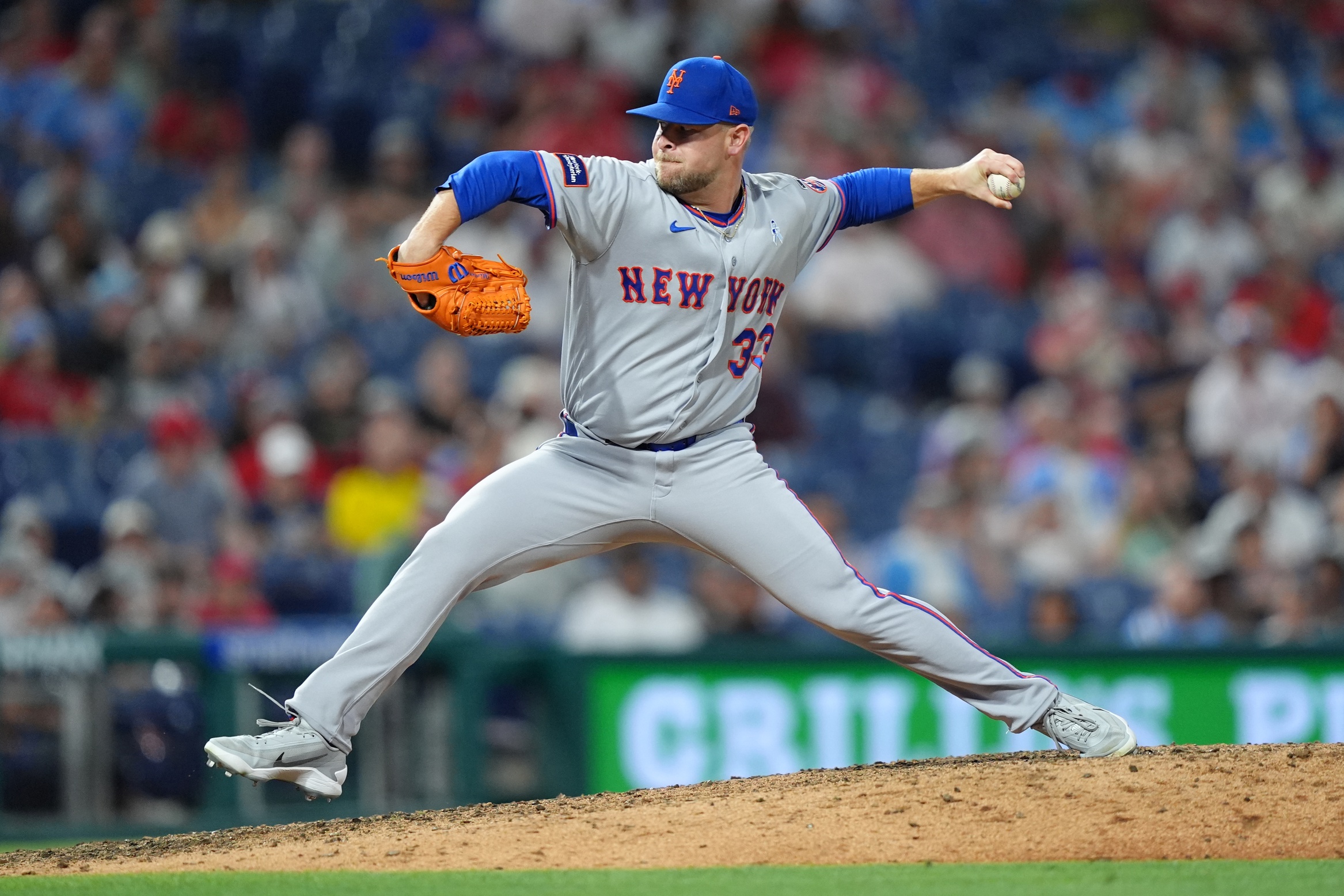
Relievers were in pretty high demand at the deadline, weren’t they? The Mets had more to give.
Huascar Brazoban, until the trade deadline, pitched to a 2.56 ERA over 52.2 innings. The Mets had used him heavily as a guy who could get more than three outs, and one-third of his outings saw him last more than an inning. His sinker-changeup combo was effective for most of the season, providing another reliable arm out of the bullpen when the rotation was floundering.
Like other relievers, he performed worse than he did with the Mets when traded. With the White Sox, he had a 4.40 ERA over 14.1 innings. He pitched a third of an inning in the Wild Card round and didn’t make the team’s Division Series roster.
Kyle Ross-Imagn Images
A.J. Minter, RP
Grade: B+
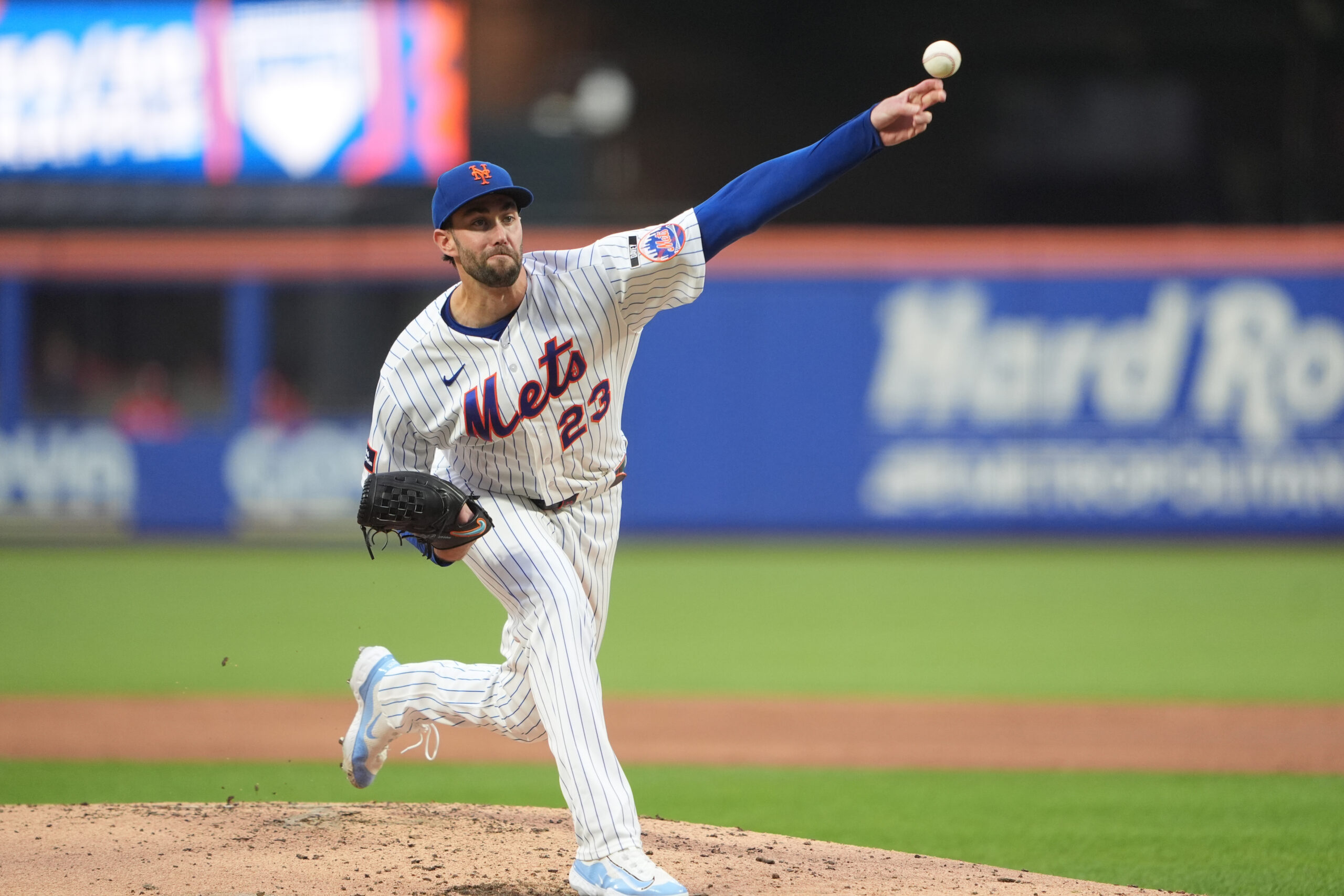
A.J. Minter was the first reliever the Mets traded at the deadline, jumping the market by a couple days and dealing the lefty to the Minnesota Twins for Billy Amick. Minter, along with Brooks Raley, provided some of the best lefty relief help in the game.
The Mets eased Minter into the season coming off lat surgery, not making his first MLB appearance until late May. After that, he delivered a 2.35 ERA across 23 innings. His first 14 innings back were a great success, not allowing a run across any of his appearances. But over his last nine innings, he allowed six runs before he was traded to Minnesota. The season with the Mets was still strong, though, and he earned a B. Overall, he performed just as well with the Twins, who ultimately fell short of the Wild Card by seven games.
Gregory Fisher-Imagn Images
David Peterson, SP
Grade: D+
The David Peterson trade in late June was the official signal that 1) the Mets’ front office didn’t feel the Mets could actually turn their season around, and 2) just about anyone with a pulse was available.
But Peterson was flat-out bad with the Mets this year. His 6.09 ERA through June 22 was the seventh-worst in baseball by anyone with at least 60 innings under their belt. The results from his contact-oriented pitching style flipped compared to previous stretches of success. He’s a guy who needs to command his pitches and to have a good defense behind him. Through the first couple of months of the season, he didn’t have either.
The trade ended his rollercoaster tenure with the Mets, which saw flashes of brilliance. Once with the Cubs, he pitched to a 3.70 ERA across 80.1 innings. He’ll be a free agent this offseason.