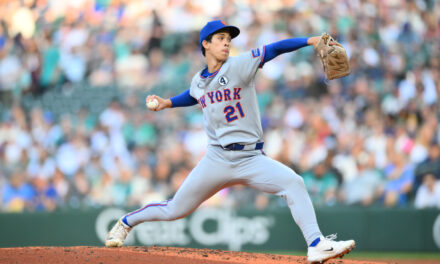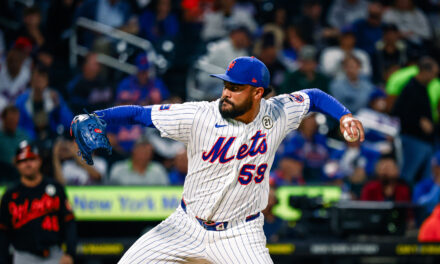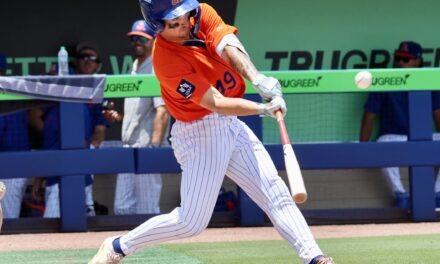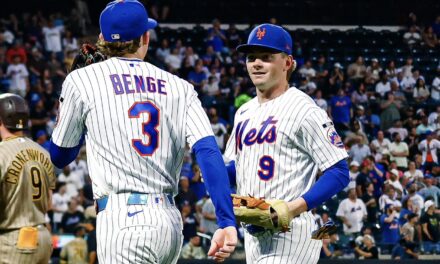
In the span of about 24 hours, the Mets made two additions to their major league roster, acquiring outfielder Keon Broxton from the Brewers and trading for Astros infielder J.D. Davis. In the process, Brodie Van Wagenen shipped out six minor leaguers, including five who would have been on the upcoming list of MMO’s top 50 prospects in the organization.
These moves look great—if your next step is signing Bryce Harper, but the impression that everyone involved in the game has gotten is that simply isn’t happening. Instead, it’s certainly possible that Broxton, a soon-to-be 29 year old with a career 37% strikeout rate, and Davis, a utility infielder on a good team, will be in the Mets’ lineup when they open up in Washington on March 28.
The Brewers and Astros called up Van Wagenen, wanting to unload players who were on the outskirts of their rosters, rosters that reached their respective League Championship Series in 2018. Or it happened the other way around, I have no way of knowing. Either way, David Stearns and Jeff Lunhow were clear about what they needed in return.
And relatively, it wasn’t much. It isn’t like they asked for the Mets’ top hitting and pitching prospects. That deal was already made. But when two of the smartest organizations in baseball start asking for your Low-A, Rookie ball, and even Dominican Summer League talent, shouldn’t eyebrows be raised?
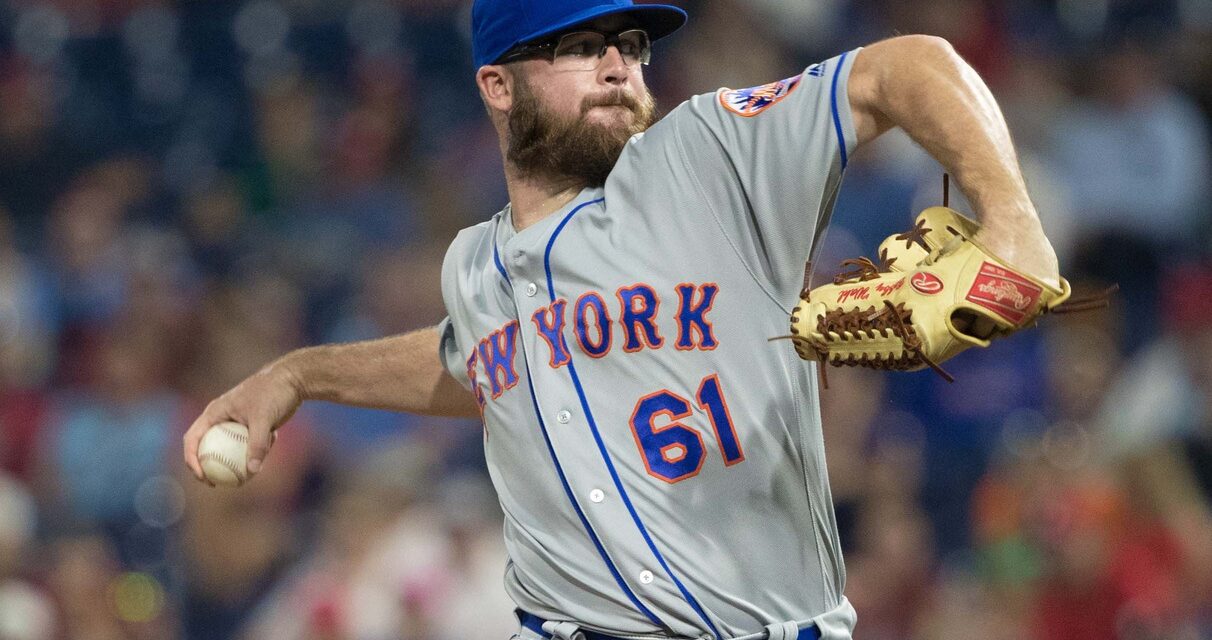
One narrative that has been getting pushed a ton recently is that the current regime wants “their guys” in the organization. The clearest example of this mindset is moving on from Bobby Wahl, just over five months after he was acquired by John Ricco, Omar Minaya, and J.P. Ricciardi from the Athletics in the Jeurys Familia trade. Despite his potential as a flame throwing late-inning reliever when healthy, Van Wagenen had no problem making Wahl the centerpiece of the Broxton deal.
Outside of Wahl, the other five minor leaguers traded had yet to rise above Low-A Columbia, but that doesn’t mean they lacked value to the organization, especially in an already thin farm system.
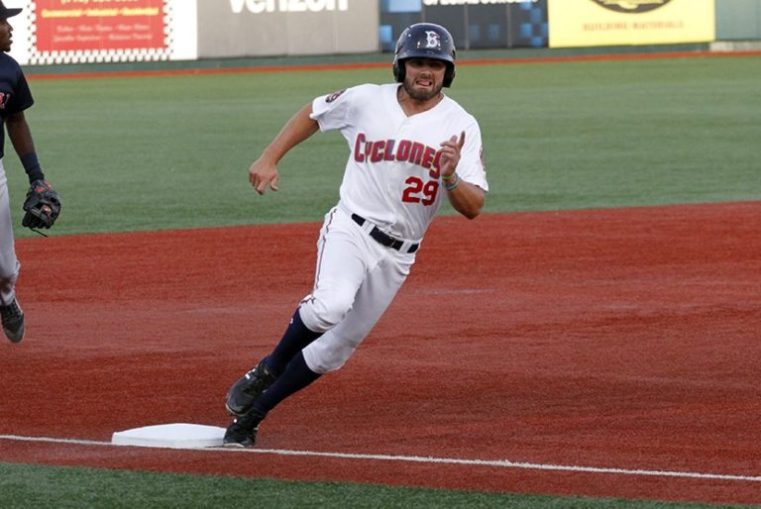
Between Ross Adolph and Jarred Kelenic, who went to Seattle in the Robinson Cano trade, the Mets have dealt their top two hitters from 2018’s draft class. Adam Hill, now a Brewer, was picked in the fourth round last June, and despite not pitching much in his debut season, many evaluators believe he can rise through the ranks admirably, with good stuff coming out of a highly respected program at South Carolina.
Scott Manea is a puzzling case. He looked like nothing more than an organizational body through his first two seasons, until something clicked in 2018. The non-drafted free agent always had BP power, but he was finally able to turn that into 35 extra-base hits in 100 games behind the plate. Losing Manea isn’t going to deprive me of any sleep, but the Astros seem ecstatic with his inclusion in the deal.
Jeff Luhnow called catcher Scott Manea a “key piece” to the deal for the Astros, who are in obvious need of catching depth.
“We need more guys. Manea is a guy that we think can move pretty quickly and has a chance to be a big league catcher. That was a big part of it for us.”
— Chandler Rome (@Chandler_Rome) January 6, 2019
And that brings us to Luis Santana and Felix Valerio, and me back to my point about the Astros and Brewers calling up about players in the lowest depths of the minor leagues. Given that Valerio played all of last year in the Dominican Summer League and brought no fanfare upon signing with the organization, it’s difficult to determine whether his .319/.409/.433 line was legitimate. But seeing another organization call for Valerio’s inclusion in a trade for a major leaguer confirms that he did enough to get noticed.
Call me a prospect hugger, but losing Santana stings. Everyone who saw him play last year in Kingsport, where he finished fifth in the Appalachian League in hitting, raved about his profile, and he was likely to open up 2019 in Columbia. It’s ironic that Santana is headed to Houston, where another unheralded, undersized second baseman has become one of the premier hitters in baseball.
Ultimately, I can’t justify taking this large of a chunk of the future out of the pie in exchange for, to this point, unfulfilled quantities. Van Wagenen is putting immense weight on this team’s present, and it’s reasonable to question how much of a future it has if expectations are not met. For now, these trades come off as a strong misevaluation of assets.
And, for a certain crowd, I’ll leave it at this: there is a stark difference between not wanting to trade your prospects and wanting to get approriate value from your prospects.