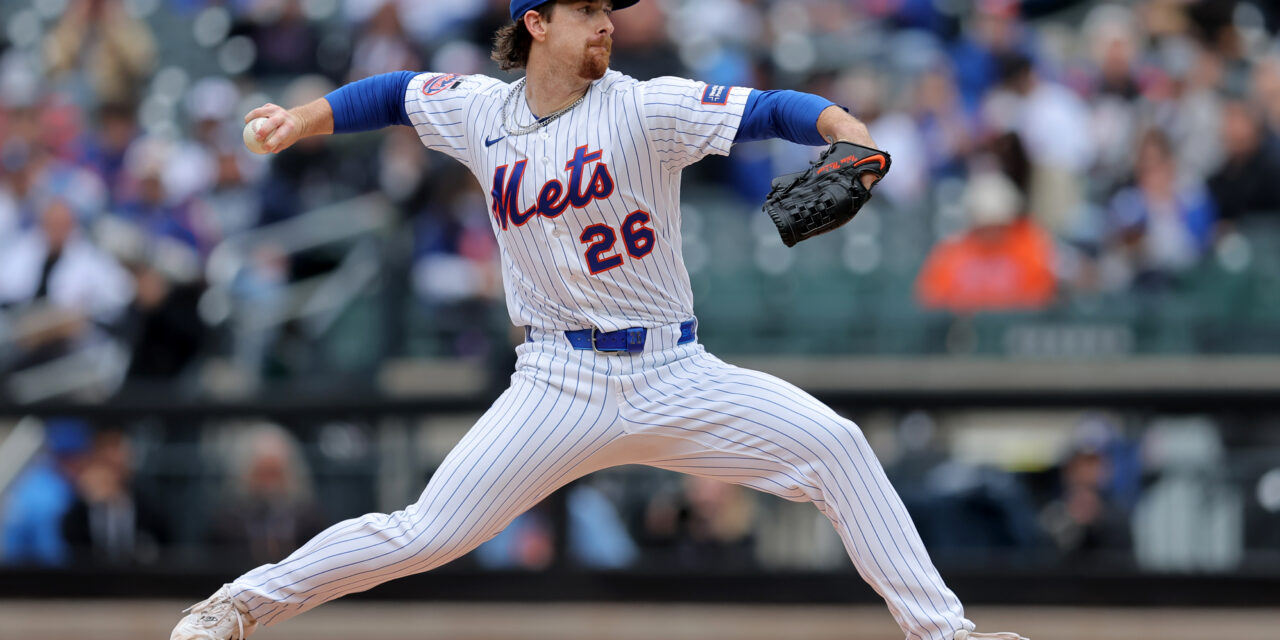
In what seems to be the norm for the 2026 New York Mets, they grabbed defeat from the jaws of victory Saturday night against the Padres.
The Mets lost 3-2 thanks to a two run home run by Freddy Fermin off Austin Warren in the bottom of the seventh inning. Fermin entered the game with a .392 OPS and had yet to hit his first home run of the season.
Despite the loss, Nolan McLean threw another very solid game, going six innings allowing only one earned run on three hits, three walks, and striking out five. After the disastrous stretch where McLean gave up 13 earned runs over nine innings, he bounced back to throw consecutive solid starts for a Mets team that is desperately lacking sustained success.
McLean was able to limit the damage in the third thanks to a strikeout of Manny Machado with runners on first and second. McLean was able to gut through a couple tough innings, and manager Carlos Mendoza rewarded him by sending him out for the sixth with 91 pitches. In total, McLean threw 104 pitches, 62 of them strikes, and was in line for the win before the Fermin home run.
“Overall, he battled, made pitches when he needed to,” Mendoza mentioned to reporters after the game. “For him to go six there was huge.” Mendoza is right, McLean was able to battle through his start, which has been a common theme over the last month.
Since his start on May 2, there have been two common themes in McLean’s game. He is walking more hitters while simultaneously striking out less. Before his start on May 2 against the Angels, McLean had a 33.3% strikeout rate compared to an 8.1% walk rate over 35 1/3 innings. Since then, entering his start against the Padres, his strikeout rate was 22.7% and his walk rate was 14.9%. This huge shift has come from a drastic drop in swing and miss rate. Using the same time frames as previously mentioned, McLean’s whiff rate dropped nearly eight percent, despite throwing pitches in the zone at a very similar rate.
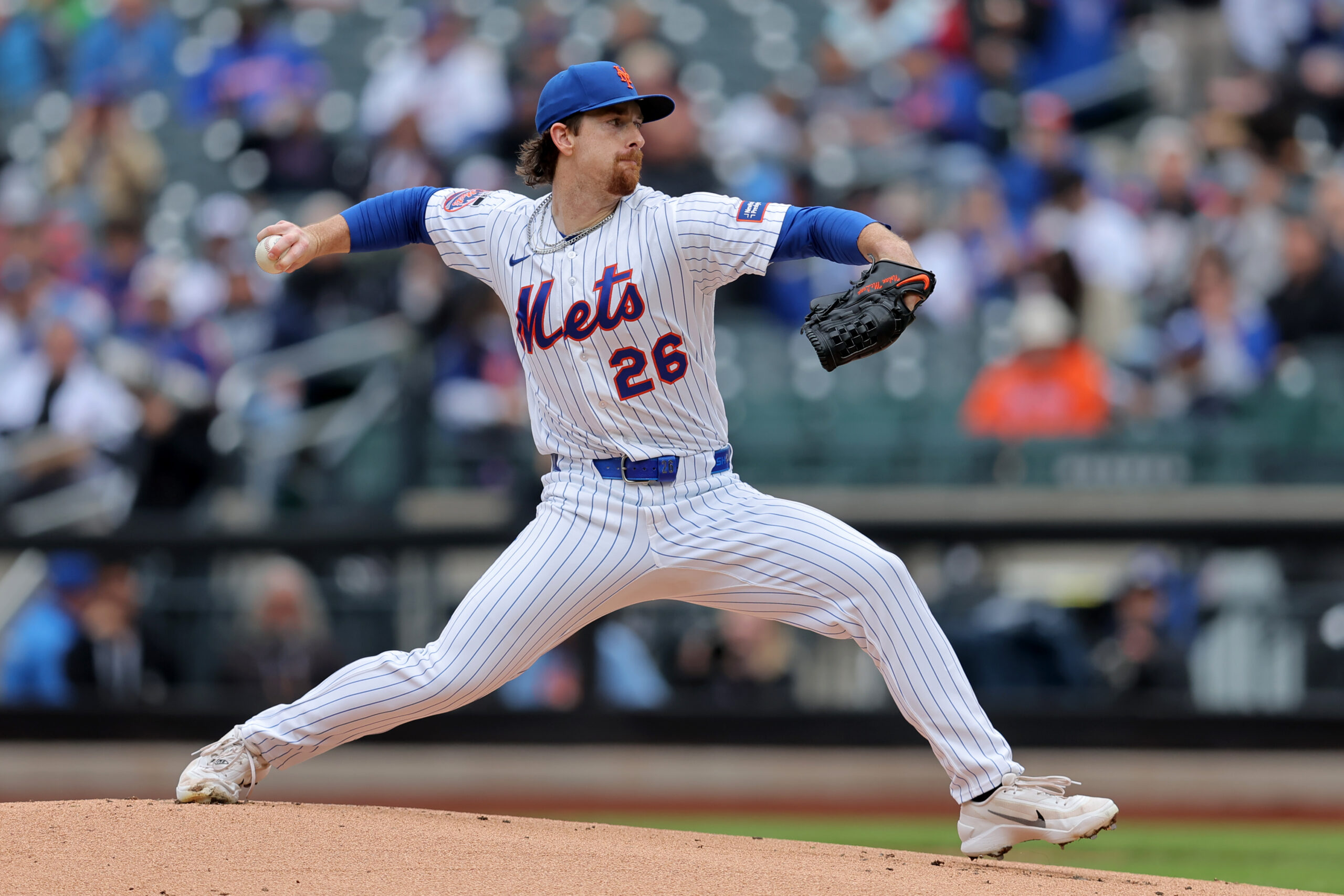
Nolan McLean. Mandatory Credit: Brad Penner-Imagn Images
Throughout his career, we have seen McLean dominate with super-human stuff that generates swings and misses seemingly on command. However, when batters are not swinging and missing, they are able to drive his pitch count up through foul balls and walks. This leads to tons of traffic on the bases, where one or two timely hits can lead to huge innings. We saw this in McLean’s starts against Washington and Cincinnati.
Saturday night against the Padres was closer to the Nolan McLean that people are expecting, albeit not totally back. McLean mostly avoided trouble, and made enough pitches when he needed to. He generated 10 swings and misses, which was only the second time since May 2 that his whiff rate has been over 20%.
Most notably, however, was the return of his velocity. Before his start against Miami, McLean’s average fastball velocity was under his yearly average. The same can be said about his sinker, which is thrown more frequently than his fastball. These dips in velocity caused a ripple effect in his game. His velocity was down, meaning his stuff was not as good, allowing for hitters to not only make more contact, but make louder contact.
Against the Padres, his velocity was back up over his 2025 and 2026 averages, he generated more swings and misses than he had been, and only gave up three hard hit balls. These are good signs that his game is trending back to the Nolan McLean that Mets fans all love to watch pitch.
McLean is still a work in progress. He needs to be better at limiting walks and getting deeper into games. But, people forget that he is only 24 years old and has only pitched 120 1/3 innings at the major-league level. There is upside there that rivals even the best pitchers in baseball. He needs to keep taking positive steps forward, like this start against the Padres.