Major League Baseball is recommending sweeping changes to minor league salaries, living conditions, and transportation among other improvements. As reported by Jeff Passan of ESPN, MLB recently met with the National Association of Professional Baseball Leagues which operates Minor League Baseball in an initial bargaining session about these issues.
The current working agreement between the two entities expires in September 2020. The meeting took place reportedly took place last month, roughly at the same time the Toronto Blue Jays instituted an over 50% increase in salaries for those on the roster of an affiliated minor league club as first reported by The Athletic.
As reported by MLB, in 2017, minor league players earned an average salary of $2,150 per month (first year) for Triple-A to $1100 per month for rookie leagues and with clubhouse fees and taxes, the actual take-home is less than that. Players are not payed at all during spring training and after the season begins, are not paid for any instructional league time.
When camp breaks, many players need to find an apartment and plunk down rent and a security deposit, having not been paid a dime during spring training. So unless the player is a high round draft pick or a highly touted international prospect, it is easy to understand how financial hardships can affect a good percentage of minor-league players. Many players have noted that on bus trips to away games, they are often called by debt collectors to satisfy outstanding bills.

MLB, which is responsible for minor league salaries, can get away with this because there is federal legislation to protect them. In a bill called the Save America’s Pastime act enacted in March 2018, Congress wrote that minor league players are exempt from federal labor laws. This deprived them of any overtime pay beyond a 40-hour work week. Baseball had been adamant about keeping the current structure until the meeting that took place last month. It appears now that baseball is softening its stance.
“We have received many questions regarding the decision of the Toronto Blue Jays to increase the salaries of minor league players,” MLB said in a statement to ESPN. “While each Club makes its own decisions regarding minor league salaries, the Office of the Commissioner is presently in negotiations with the National Association of Professional Baseball on the terms of a new agreement between the Major Leagues and the Minor Leagues to replace the agreement that expires in September 2020. The working conditions of minor league players, including their compensation, facilities and benefits, is an important area of discussion in those negotiations.”
Some minor-leaguers want to expedite the process to change their low salaries. In a case brought before the Ninth Circuit Court of Appeals in San Francisco, a lawsuit, brought by minor league players, is pending. The suit asks for minimum wage and compensation for the time players were required to work without pay, such as in spring training. The three judge panel has yet to rule on the suit, but its decision will no doubt bring ramifications to a new work agreement that is at its infancy with no details yet known. Garrett Broshius, the lead lawyer arguing the case on behalf of the minor-leaguers said this:
“If Major League Baseball is serious about improving, there are so many different places,” Broshuis told ESPN. “College baseball players receive a higher per diem than minor league baseball players do. College players don’t need to pay clubhouse dues, whereas minor league players do. You look at housing, where you’re making so little that six players live in a two-bedroom apartment on air mattresses. That’s less than ideal.”
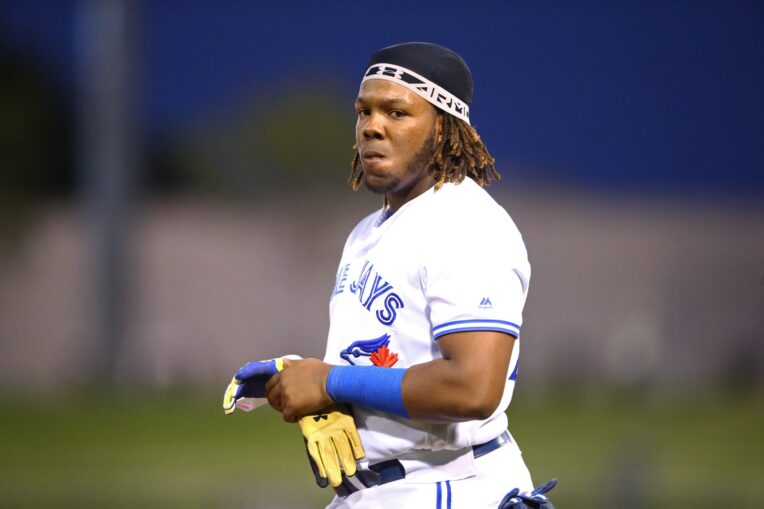
Although, there is growing sense of agreement that something has to be done to improve the lives of minor league players, little has been to address the issues. Only the Toronto Blue Jays have made strides instituting it’s pay increase to its minor league players. Even that has come under scrutiny because a Class A player would only be making $12,000 a year, a long way from a suitable living salary. But generally, the Blue Jays have been praised for their efforts in helping improve the living conditions for their players.
There is much to discuss between baseball and minor league representatives beyond salaries. Many stadiums are in disrepair with substandard clubhouses and player facilities. Road trips, especially in the low minor leagues, are often in cramped buses with overnight travel common. If there is a hotel stay, some organizations will not pick up the cost if a girlfriend or family member stays with the player. Possible fixes for this are standards for minor league stadiums and more off days to ease the burden of travel. The problem of course deals with money as MLB would incur the costs for these measures as well has many others.
It is clear that there is a problem, and it appears that MLB is finally coming to grips with it. In its initial meeting, MLB recognized the need to overall an antiquated and possibly illegal system. Certainly, the minor league players should be happy about this admonition, but negotiations are in the very early stages. Many variables can and no doubt will make a resolution difficult. Hard bargaining certainly lies ahead, but at least the public, players, and finally MLB realize that something must be done.
Editors Note: The Triple-A salary per month is $2,150 for the first year. It was incorrectly stated in the first version of the article.