Fresh off signing Tarik Skubal to the richest contract for a pitcher in MLB history, the Mets signed Paul Goldschmidt to a one-year, $8 million contract with the chance for Goldschmidt to earn an additional $2 million if he reaches certain milestones.
Since his postmortem on the 2026 Mets season, David Stearns has been clear about the desire to add external talent to compete at first base. The question was, would that external help be a platoon partner for Jared Young or someone who would be brought in to play in an everyday capacity? Goldschmidt fits the first model. A former MVP and likely headed to Cooperstown, Goldschmidt has stuck around MLB by becoming a lefty specialist. Since the start of 2025, Goldschmidt’s .974 OPS against left-handed pitching is second in MLB behind only Jackson Chourio.
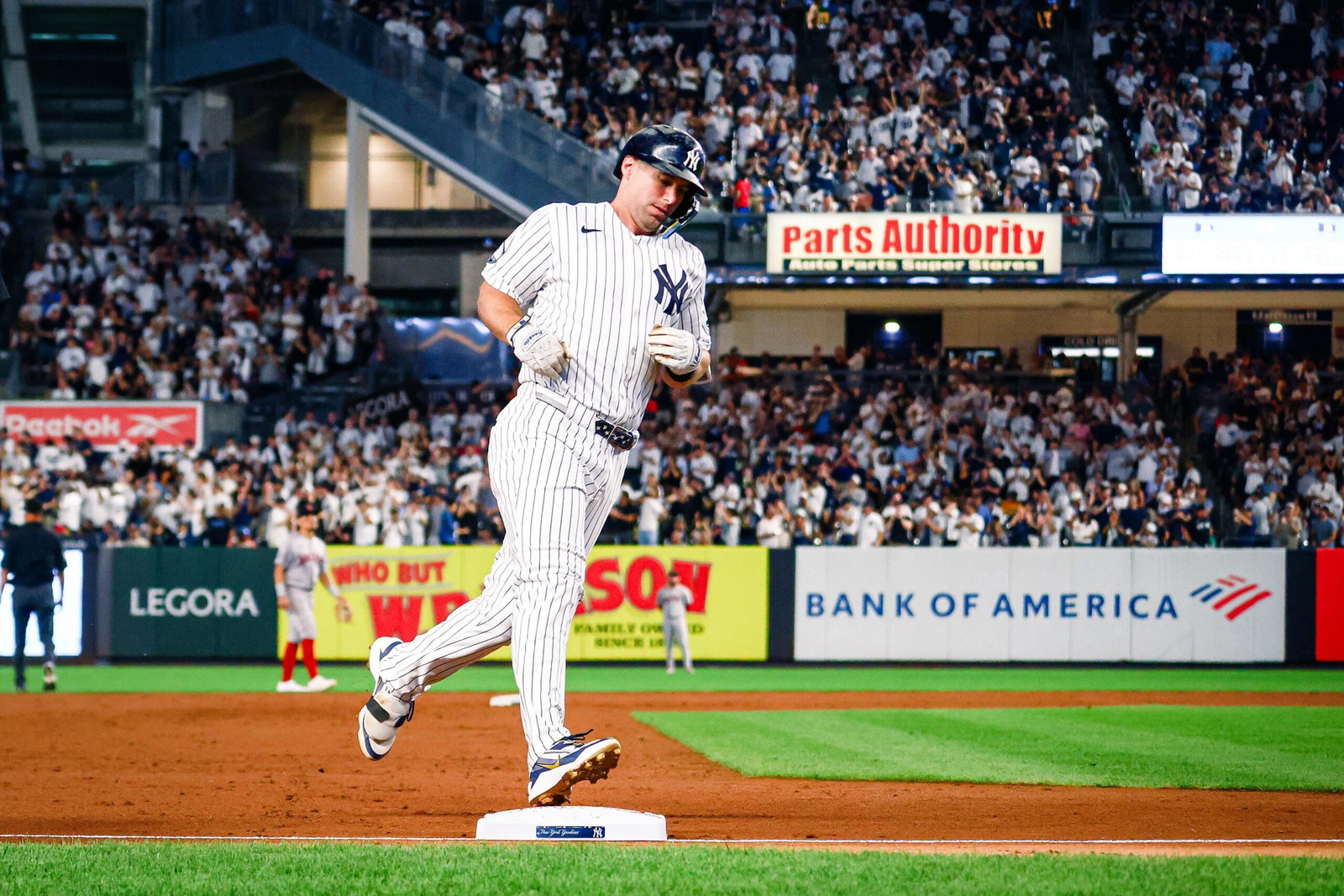
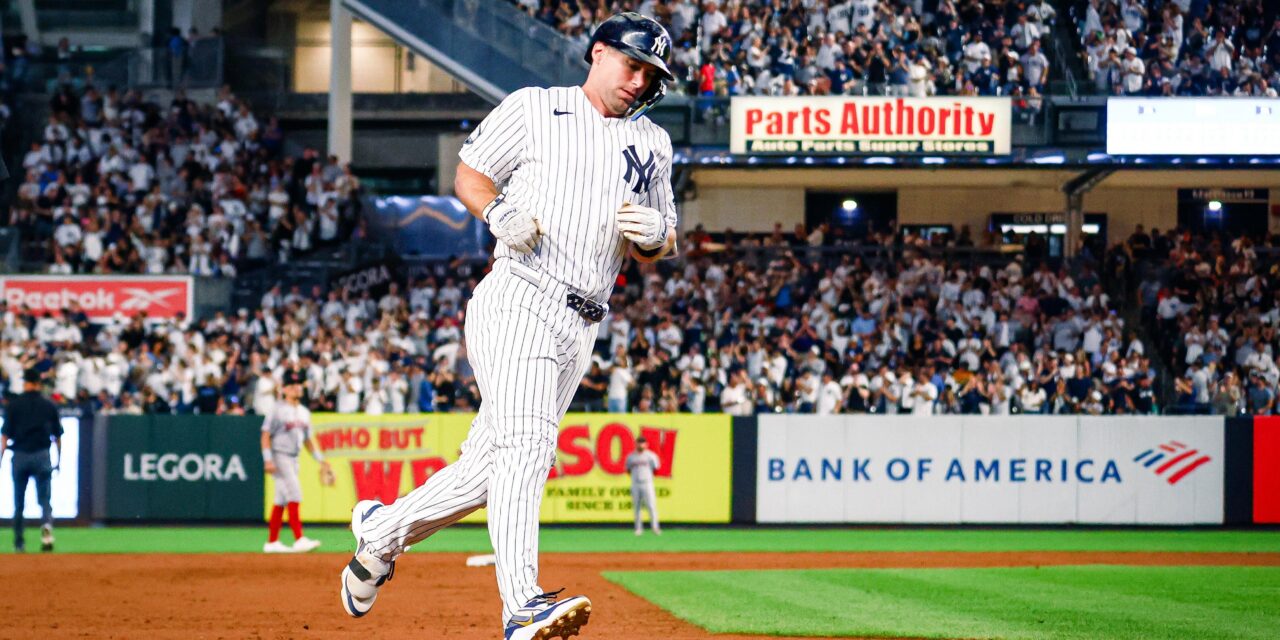
Paul Goldschmidt by Roberto Carlo
On paper, the Mets have a nice platoon with Jared Young playing against right-handed pitching and Goldschmidt against left-handers. In 2026, Young had a .793 OPS against righties, good for a 120 WRC+, but struggled (.689 OPS) against lefty pitching with a 72 WRC+.
Goldschmidt, on the other hand, was the opposite. He had a .967 OPS against lefties, good for a 168 WRC+ and a putrid .590 OPS against righties, good for only a 60 WRC+.
Against lefties, everything about Goldschmidt’s process is still very strong. While his slash line of .299/.393/.573 outperformed his expected slash line of .269/.372/.498, the expected slash line is nothing to sneeze at. Goldschmidt’s bat speed against lefties was 72 MPH, compared to 70.7 against righties; his chase rate was 25.1% against lefties compared to 36.9% against righties. He hit the ball harder against lefties (88.2 average exit velocity vs 85.5), he pulled the ball in the air more (15.2% vs 11.4%), and he walked more (12% vs 3.6%) and struck out less.
In addition to his prowess against lefties, Goldschmidt is still an above-average glove at first. In 2026, he was 69th percentile in Statcast’s receiving metric and a +6 in OAA. A year after trying to teach the position to non-first basemen, Goldschmidt’s presence is a welcome departure from that philosophy.
This platoon sounds good in theory, but platoons are always tricky propositions for a manager. Goldschmidt has faded in the second halves of the last two years, so limiting him to late-game pinch-hit opportunities and starts when the team faces a left-handed starter will be key to ensure Goldschmidt remains productive throughout the season. While not as flashy as a Ty France or Teruaki Sato (who just signed with the Cubs), Goldschmidt should be a better short-side platoon than Mark Vientos, which is a nice step in improving on the margins for David Stearns and the Mets.