The initial framework proposed for Major League Baseball’s re-opening is ambitious — plain and simple.
Countless variables with unknown ripple effects will continue to cast a doubtful shadow on the situation well past once the first pitch is eventually thrown. That’s just how it is now.
To be clear, ambition is fine. But it must be exercised in moderation. And if the duly appointed decision-makers are going to err, let’s please do so on the side of caution.
As evidenced by the league’s proposal to the MLB Players’ Association this week — Ken Rosenthal and Evan Drellich of The Athletic have been putting in work — there are still issues to be worked out. But on the health side of the discussion, a foundation has been laid.
Player and staff safety is being held in high regard, which is terrific, but even MLB’s advanced testing protocol, intake screening, and strict on-and-off-field distancing guidelines can’t plan for the unknown.
The risk of contracting COVID-19 while in public is still very much existent. That risk is multiplied when people are confined in relatively close quarters for an extended period of time.
Wearing approved personal protective equipment — such as N95 facial masks — lowers that risk considerably, but the danger is undoubtedly still out there.
As per Reds pitcher Trevor Bauer (Twitter), “Players are ready, willing, able, and excited to play”, which is encouraging. Players willing to put themselves and their families in harm’s way is half of this battle. But they should never, ever be asked to take a pay cut to do so.
In March, MLB and the Players Association came to an agreement regarding compensation on how to proceed if no season or a partial season is played. That deal reportedly included scale pay for all active players on a per-game basis.
Under newer proposals (The Athletic), the league is attempting to pay players based on revenue — a reported 50-50 split — which would substantially decrease player salaries across the board.
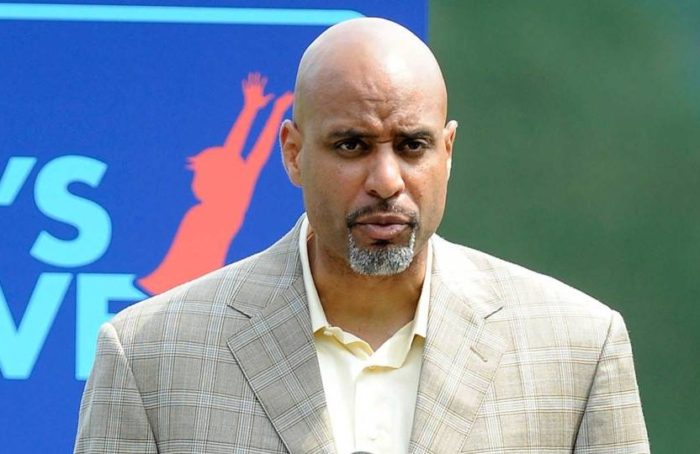
MLBPA union head Tony Clark has already publicly denounced this proposal, likening the scenario to a salary cap.
“A system that restricts player pay based on revenues is a salary cap, period,” Clark said. “This is not the first salary cap proposal our union has received. It probably won’t be the last.”
These are under-contract employees who would be going to work in hazardous, potentially life-threatening conditions. And the league wants to pay them less money than agreed upon?
Put yourself in their shoes. Sure, it’s a lot of money. But is you or your family’s health worth any dollar amount?
Going to work amid a global pandemic is no easy task, no matter what your paycheck reads. Ask your local grocery store cashier or the clerk behind the counter at 7-11 about their feelings on the matter.
I’m a steamfitter. We install and service fire sprinkler systems in commercial spaces. Because of the nature of our work (fire protection) we’re considered essential construction under New York State guidelines.
So every day for the past two-plus months, I’ve been going to work. We take every precaution — masks, distancing, limit trips off-site — but the experience has been absolutely terrifying. I wouldn’t wish it on anyone.
Out of necessity — I’ve got a family to support — I do my thing. But if I were asked to endure these stress and risk-filled days at a reduced rate, I’d quit on the spot.
In any business model, the company makes more money than the employee. The company asking the employee to foot the bill during times of economic crisis is abhorrent.
In the case of Major League Baseball, the situation is a bit altered but essentially remains the same. While some teams do indeed struggle to turn an on-the-books profit, the league, per reports, has pulled in $21 billion in revenue since 2018.
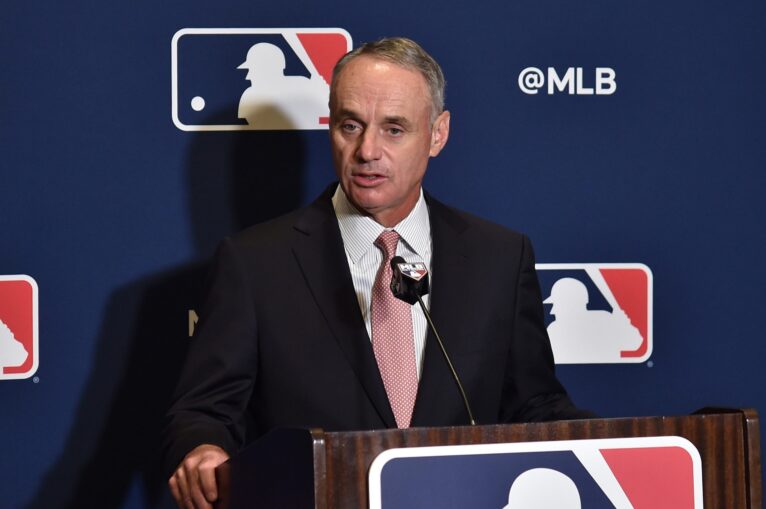
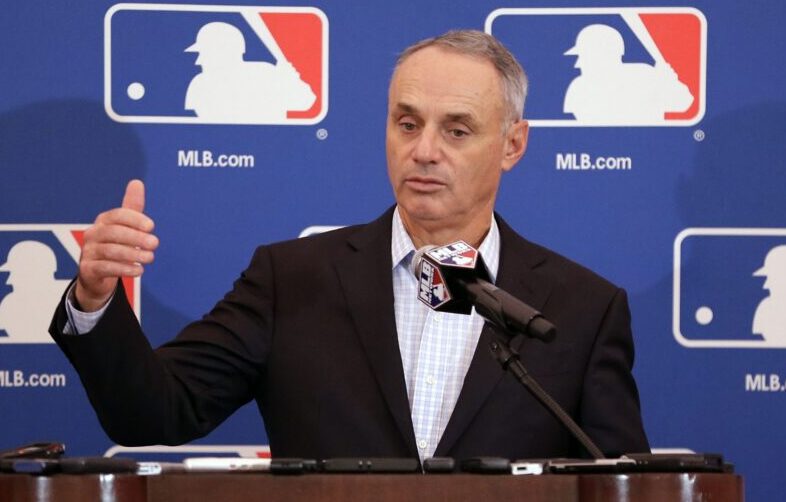
MLB commissioner Rob Manfred has forecasted potential revenue losses of $4 billion under the tentative July Opening Day plan.
That’s a considerable loss in any context, but with unprecedented television revenue expected to roll in this season — if fans can’t attend, they can be damn sure we’ll be watching — it wouldn’t be catastrophic.
By creating an emergency subsidy plan of sorts — a bailout, if you will — to help teams stay afloat and pay the players what they’re owed, Major League Baseball would be winning on multiple levels.
Not only would MLB be affording itself the luxury of having to worry only about the health and safety of their players — which is absolutely paramount — but they’d also have the opportunity to secure a bank vault of public relations gold by saving the season.
Just don’t think about which scenario would motivate the league more. It’s upsetting.