When evaluating an MLB player’s performance, we must be mindful of the sample size and take into account whether the current streak getting evaluated is sustainable over the long haul. Except for 2020, of course.
The scheduled 60-game regular season is sure to create statistical anomalies and may even make household names out of some players we would’ve never heard of if the 2020 campaign was a normal length. One of the numbers getting attention is hitting .400. Anyone with a batting average above that number by the end of September should be rightfully recognized, even though they won’t be in the same club as Ted Williams.
Over the weekend, MLB.com listed 12 candidates who could accomplish the feat. I happily clicked the link, expecting to see a case made for the New York Mets’ Jeff McNeil. The article was split into three separate categories: superstars, sleepers, and those playing for the Colorado Rockies. Since he’s not a league-wide superstar (yet), I scrolled quickly to the “sleepers” section.
To my surprise, McNeil’s name was missing. Not even an honorable mention. But hey, everyone is entitled to their opinion, and there’s more than a good chance I’m a little biased. Thinking McNeil at least has a shot at .400 isn’t completely unreasonable, though.
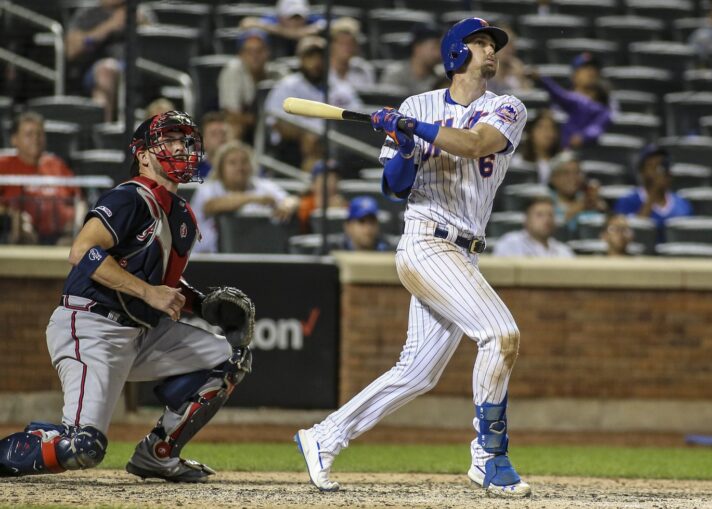
Past Results
The Flying Squirrel admittedly doesn’t have an enormous big-league sample size to draw from, but it’s enough to warrant some consideration.
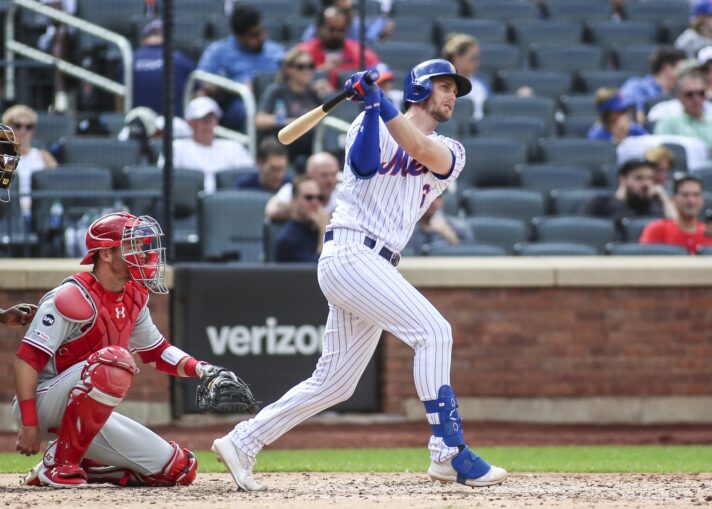
Since making his MLB debut with New York on July 24th, 2018, McNeil has posted a .321 batting average in 815 plate appearances. When looking at all qualified hitters from that point through the end of 2019, only Christian Yelich (.339) and Anthony Rendon (.323) were better. Although his second-half power surge led to a dip in his season-long batting average last year, McNeil went into the 2019 All-Star break with a .349 batting average.
That was the best in baseball by a wide margin, with Cody Bellinger (.336) being the next-closest player.
McNeil only posted two months with a batting average higher than .300 last year, but he made both instances count. By the end of April, he sported a healthy .370 mark. After dipping back down to reality in May with a .277 average, he shot right back up in June with a .373 average. If we look back at 2018 and focus on the two months he played just about every day (August and September), the results from the perspective of batting average were favorable (.330 and .340, respectively).
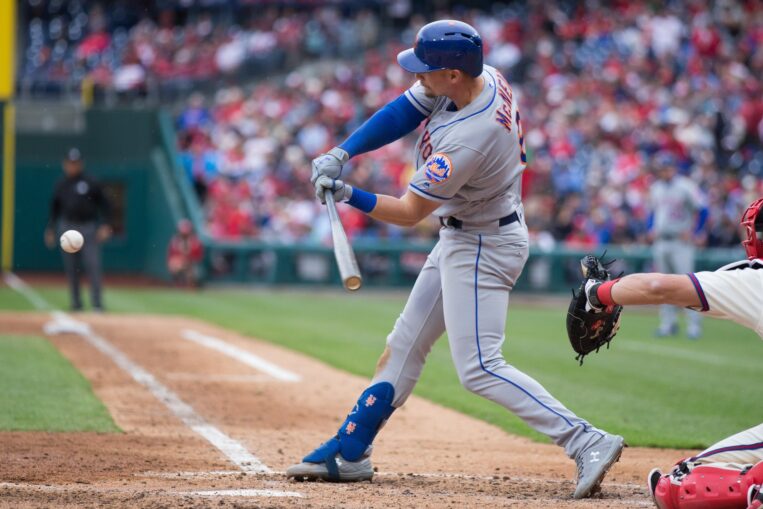
Bat-To-Ball Skills
Last year’s late-season power surge led to 16 of his career-high 23 home runs coming after the midsummer classic. What’s really interesting, though, is that seven of those 16 dingers came in 101 September plate appearances. Although a “high” batting average didn’t accompany it (.278), the 9.9% strikeout rate he posted in the final month was his lowest since March/April (9.5%).
That’s important to note because one of the key ingredients for hitting .400 is to limit strikeouts and put the ball in play as often as possible. Since his big-league debut, McNeil’s 11.9% strikeout rate is among the 15 lowest in baseball. While his 5.7% career walk rate isn’t as high as one would like to take some at-bats away and help boost his batting average, he took a step forward in 2019.
After posting a 5.6% walk rate in his rookie campaign, that number went up to 6.2% last year. It gets more encouraging when breaking his 2019 performance down to month-by-month, too: 8.6%, 8.2%, 1.9%, 2.1%, 10.7%, and 6.9% (nice).
McNeil will swing a lot — his 58.8% swing rate since debuting is second-highest in baseball — but he also makes plenty of contact, as his 82.4% rate in this particular category is among the league’s top 30. When pairing all that with drastic improvements made in his soft-hit rate (22.0% to 11.2%) and hard-hit rate (30.2% to 37.8%), there’s the potential for something special happening — especially over a short period of time.
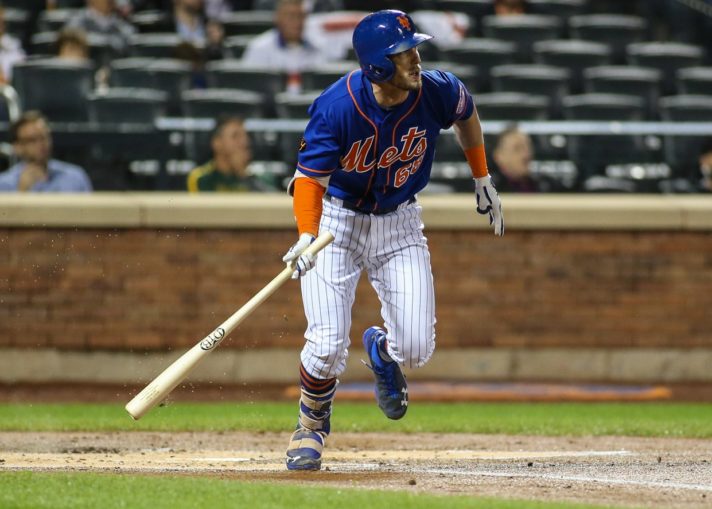
Progression Against Certain Pitches
Upon taking a peek at McNeil’s pitch splits over the past two years, there were some more encouraging numbers to feast our eyes on, and specifically when discussing fastballs thrown his way. Four-seam fastballs and sinkers were the two most common pitches he faced in 2018, and those offerings landed in the top three last year, with four-seamers being the most common on both occasions.
After posting a .267 average against four-seamers as a rookie, that number rose to .317 while seeing the pitch more than twice as many times. McNeil enjoyed seeing sinkers as a rookie, posting a .364 average against them, but enjoyed seeing them even more during his sophomore campaign, as his average against that pitch rose to .380. Although his average against sliders went down from .323 to .271, he did also post solid results against changeups (.338) and splitters (.333, in limited exposure).
McNeil is still progressing and maturing as a big-league hitter, and he’s more than capable of taking what he learned from that second-half power surge and apply it to his first-half results, which had him leading the league in hitting by a wide margin. He’s shown the ability to get hot for at least one or two months at a time, so he at least deserves to be in the conversation about hitting .400, especially if he has Pete Alonso hitting behind him, which is what Roster Resource is currently projecting.
The first couple weeks will be key — if McNeil starts quick and gives himself a solid foundation to work from, who knows where the dude will end up once the dust settles.