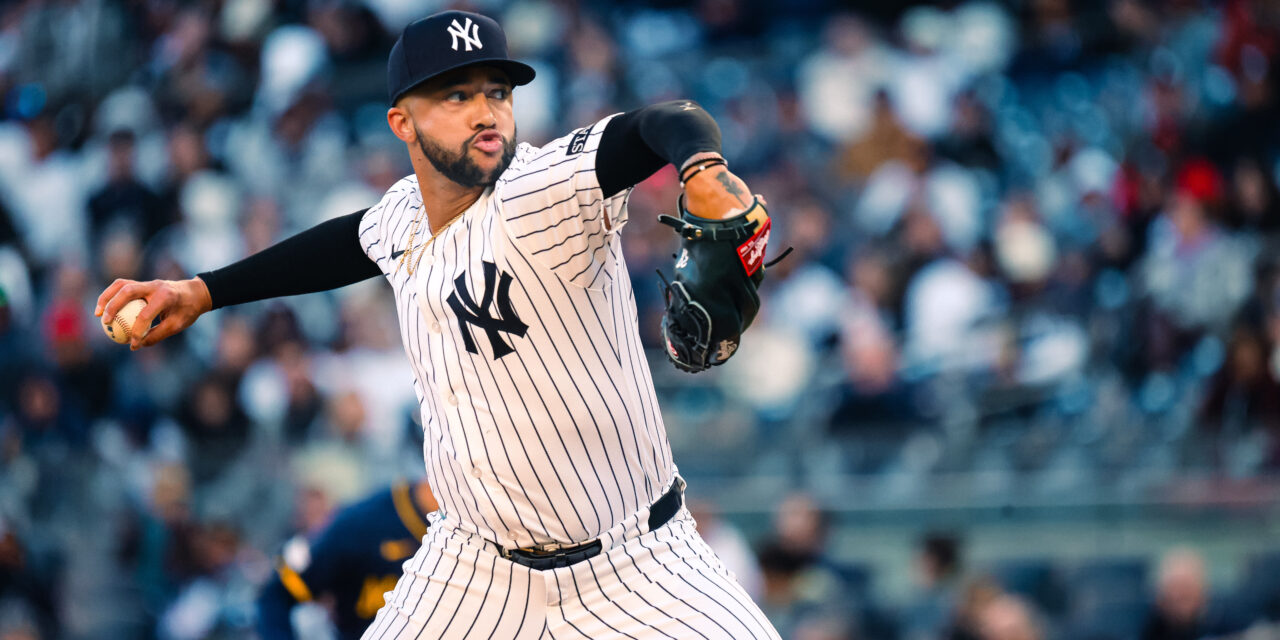
Devin Williams, RP
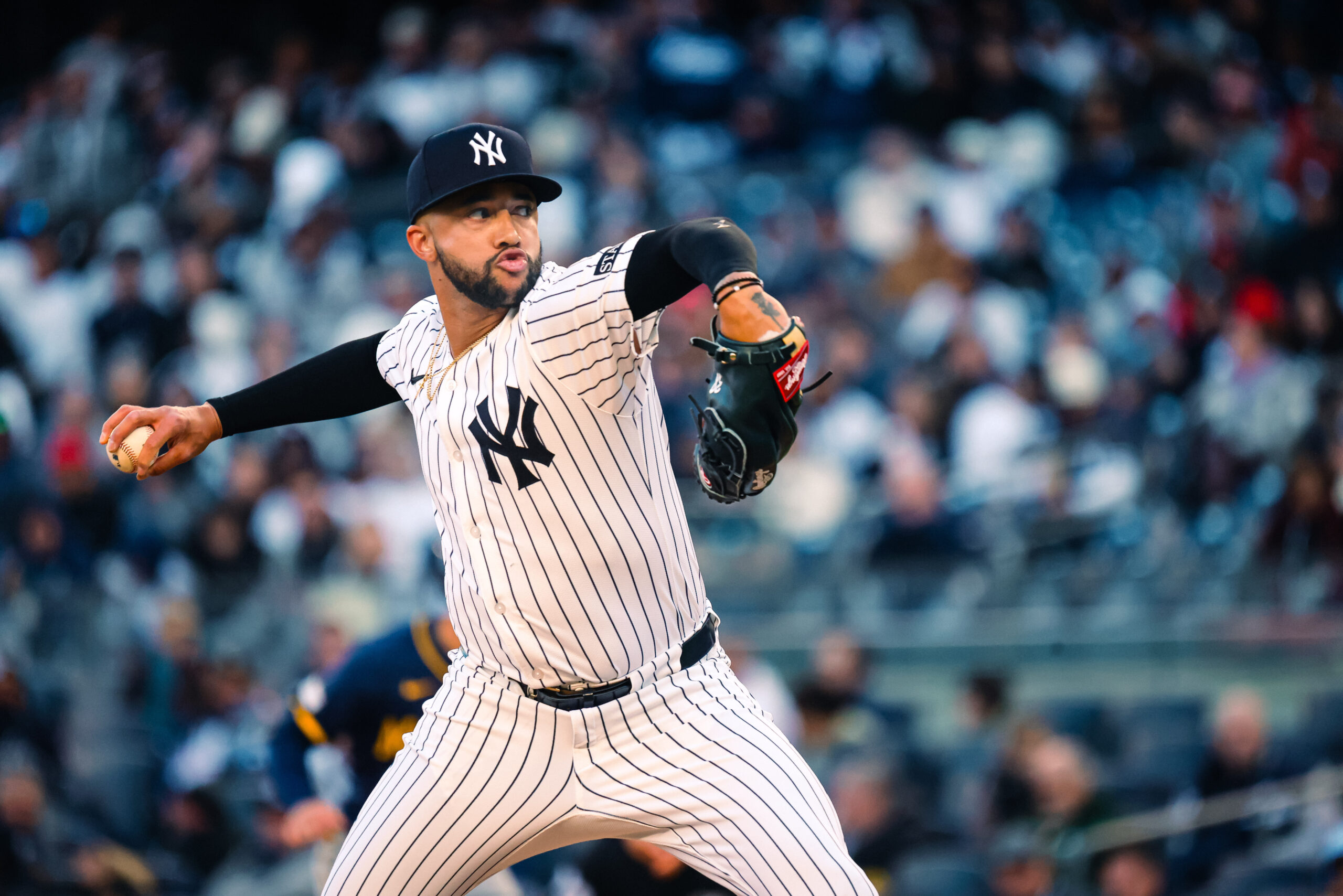
Devin Williams by Roberto Carlo
The Positives
Williams is the latest example of MLB teams valuing other metrics over ERA. Dylan Cease’s huge payday after a 4.55 ERA season was a visible sign of this shift, and Williams is the latest. ERA, especially for relievers, is not a reliable measure of success. Like all pitchers, relievers are subject to many factors outside their control (defense, inherited runners, bad luck on batted balls), and since a reliever only throws 60–70 innings a year, ERA alone is an insufficient metric to draw firm conclusions. When it comes to Williams, the underlying metrics suggest that 2025 was more likely a case of a rough first month than a real regression. The 1.70 gap between his ERA (4.79) and xERA (3.09) was the eighth-largest in MLB. (His new teammate Sean Manaea was just ahead of him.) From May 1 until the end of the season (52 innings), Williams posted a 3.79 ERA with a 2.56 xERA (12th in MLB), had the second-best xFIP (2.37), was second in K% 38.3 (ahead of Edwin Díaz), third in SIERRA (2.17), and second in K-BB (25%). Overall, he still posted elite swing-and-miss numbers. He was 95th percentile in expected batting average (.195), 97th in chase rate (35%), 99th in swing-and-miss rate (37.7%), 97th in strikeout rate (34.7%), and 85th in hard-hit rate (35.4%). All of these numbers align with his underlying numbers in Milwaukee, suggesting that some bad luck inflated his surface-level numbers last season. Two main factors contributed to those poor results. First, his left-on-base percentage (LOB%) was unusually low. Coming into 2025, Williams had never had a LOB% below 73.3% (league average is 72.3%), but in his lone season in the Bronx, his LOB% dropped to 55.2%. Given his elite swing-and-miss numbers (99th percentile) and improved walks per nine innings (4.57 in 2024 vs. 3.63 in 2025), it’s hard to argue he wasn’t snake-bit in inherited-runner situations. Second, when Williams exited mid-inning, he left ten runners on base, the next Yankees reliever allowed seven of them to score. By comparison, the MLB average is 31%. If the other relievers had only allowed three of those runners to score, Williams’ ERA would’ve been below 4.00 and his season would’ve likely been viewed very differently. There were a few other notable statistical oddities in Williams’ 2025 season.- He allowed just five home runs all year, and four of them came in a three-week span.
- His ground-ball rate increased in 2025 to 45% (up from 43.2%), and his fly-ball percentage dropped nearly 10 points (25.7% in 2025 vs. 35.1% in 2024).
- His changeup also had slightly more movement in 2025 (21.5 inches vs. 21.1 in 2024)
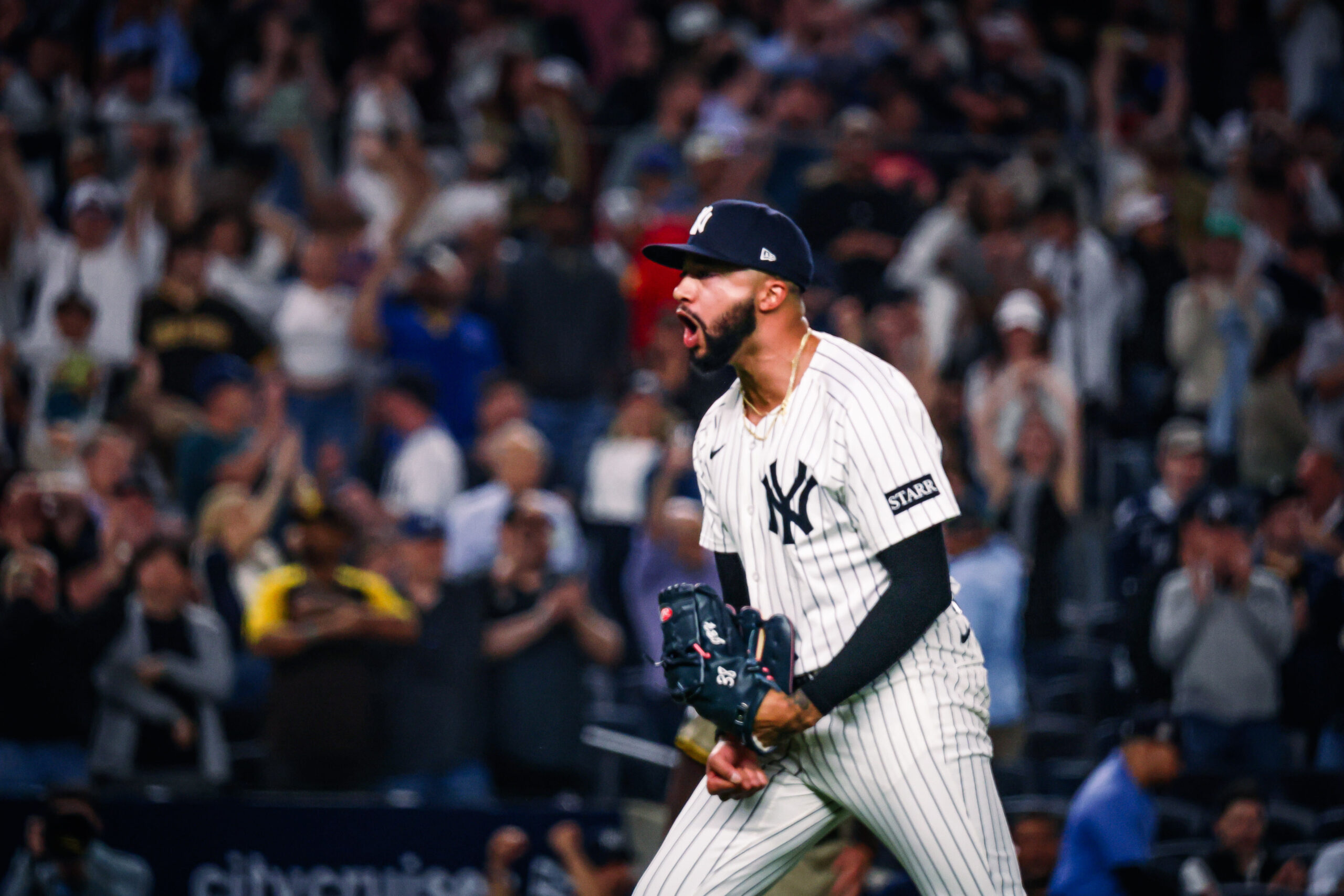
Devin Williams by Roberto Carlo
Reasons to be Skeptical
This deal isn’t a guaranteed win. Despite his strong underlying metrics, several concerning trends appeared. For one, his average exit velocity surrendered rose from 84.9 mph (with the Brewers) to 89.2 mph last season. His “airbender” changeup had a .351 xSLG in 2025, the highest of his career. His barrel rate also spiked to a career-high 9.3% (previous high 7.0%). Additionally, his fastball velocity dipped slightly, from 94.7 mph in 2024 to 94.1 mph in 2025. His arm slot dropped for the third consecutive year (24 → 23 → 21). Williams made no mention of an injury while with the Yankees but perhaps the lower release point contributed to poorer performance. Still, considering his post April rebound, including an otherworldly 49% strikeout rate in August, Mets fans have reason to feel optimistic about this signing.Conclusion
As with the Marcus Semien trade, the signing of Devin Williams merits an incomplete grade. If this signing is just the first step and a reunion with Edwin Díaz becomes possible, then this could be a home run. There are reports (from Jeff Passan and others) that the Williams signing does not signal the end of Díaz’s time in Flushing. Given Williams’ salary (and the deferred money), he’ll be making just over $4 million more per year than ex-Met Phil Maton in 2026. If this is step one in David Stearns’ latest push to build a great bullpen, it’s a major win. In a vacuum, Devin Williams is not quite as good as Edwin Diaz. However, with Williams in the fold, the Mets can now negotiate with Diaz from a position of strength and a good option to close games if the reunion doesn’t happen.