

As the owners prepare to lockout the players in the coming weeks to gain leverage in the collective bargaining agreement negotiations, they continue to make their desire for a salary cap part of the discussion.
This is despite, per CBS Sports, Orioles owner David Rubenstein stating publicly that owning a baseball team is incredibly profitable and the owners “making more money than I’m making in private equity.” The recent Brewers and Rays World Series showed that lower payroll teams can thrive in the current system but that has not stopped the owners from continuing on as if the results of the current season did not happen.
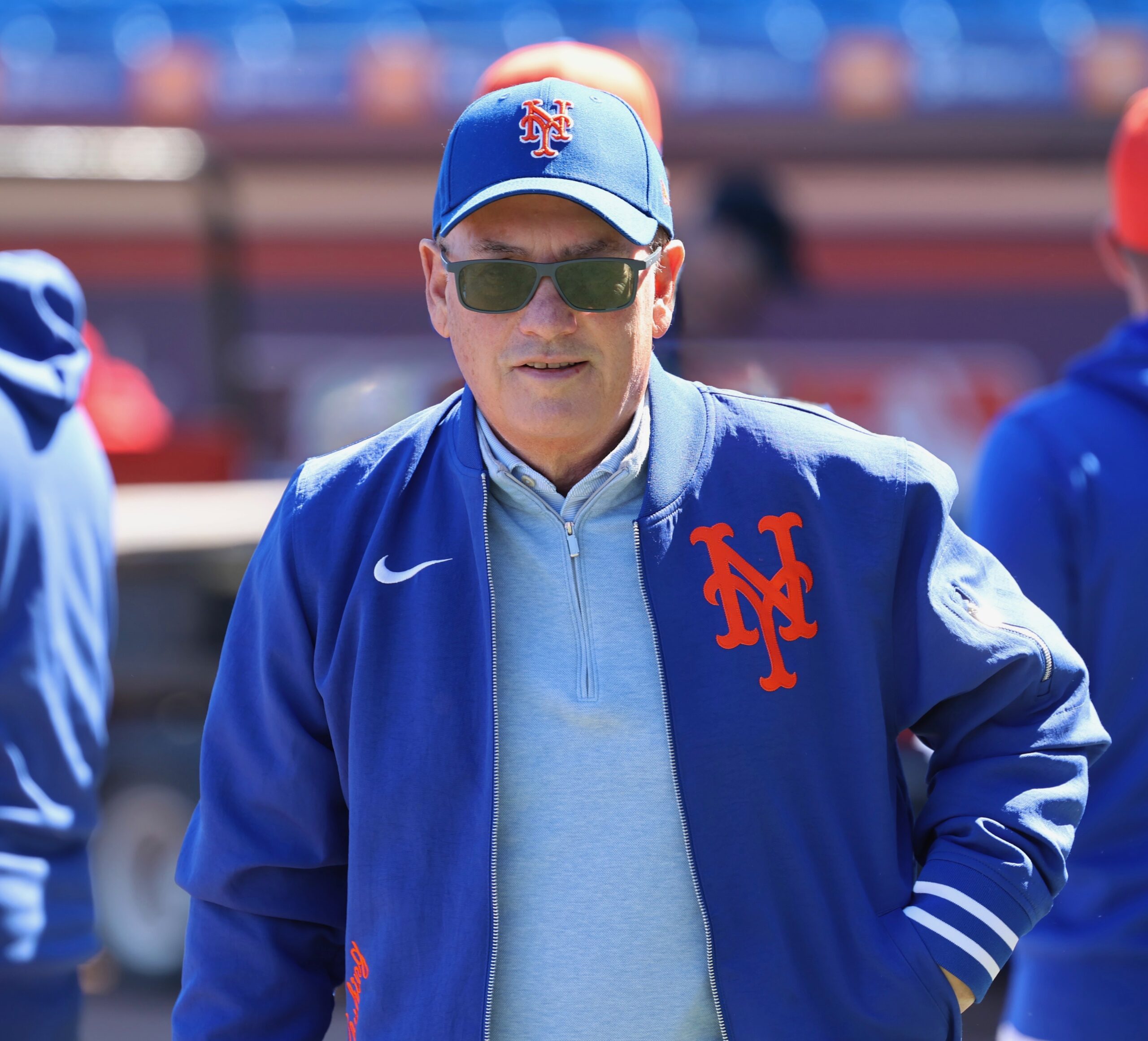
Steve Cohen
Photo by Ed Delany of Metsmerized
This has continued with Jeff Passan of ESPN reporting that if there were to be a salary cap, it would not be put into place until the 2028 season “citing the difficulty of teams navigating free agency amid the current uncertainty.” In its latest proposal, MLB proposed a cap of $258.2 million and a floor of $180.2 million—both small increases from its original proposal.
It is important to note that no salary cap has been agreed upon or even formally discussed. The players union so far has publicly kept a hard stance against a cap/floor system. The MLBPA is the last major players union without a salary cap, allowing the players to earn their full market value. The Athletic recently analyzed the current competitive landscape and found that MLB has some of the highest parity of any major sport. Twenty-four of 30 teams made the playoffs at least once in the current CBA and the MLBPA pointed to the win spread tightening as continued proof.
MLB argued that it’s analysis does not rely on results, but process. They also argued that a salary cap would not promise more playoff appearances for teams who have owners unwilling to spend at the rates of their peers, with Morgan Sword of MLB stating, “No, no, I don’t think it would, and I don’t think it needs to.” To this end, if not to bring a larger variety of teams to the playoffs, it is unclear what “competitive balance” the owners are fighting for outside of the growth of their bank account balance.
This cap and floor discussion will continue to dominate the CBA discussions over the coming months. It is the issue that will prolong any future lockout. whatever system is put in place, there is a high likelihood any major changes could require a phase in period. To that end, the most recent statement alludes to the owners recognizing that and showing a willingness to accommodate a phase in period.