Game two of a three game set against the Philadelphia Phillies was another lifeless loss, adding to a long list of lifeless losses in 2026. In addition to being delayed for rain, the Mets lost by a final score of 6-1. They made three errors, only mustered three hits and five total baserunners, and fell behind two batters in and never looked back. Frankly, there were a handful of other defensive miscues that were not called errors as well. It was a complete no-show from the offense and defense, however, the pitching was not much better.
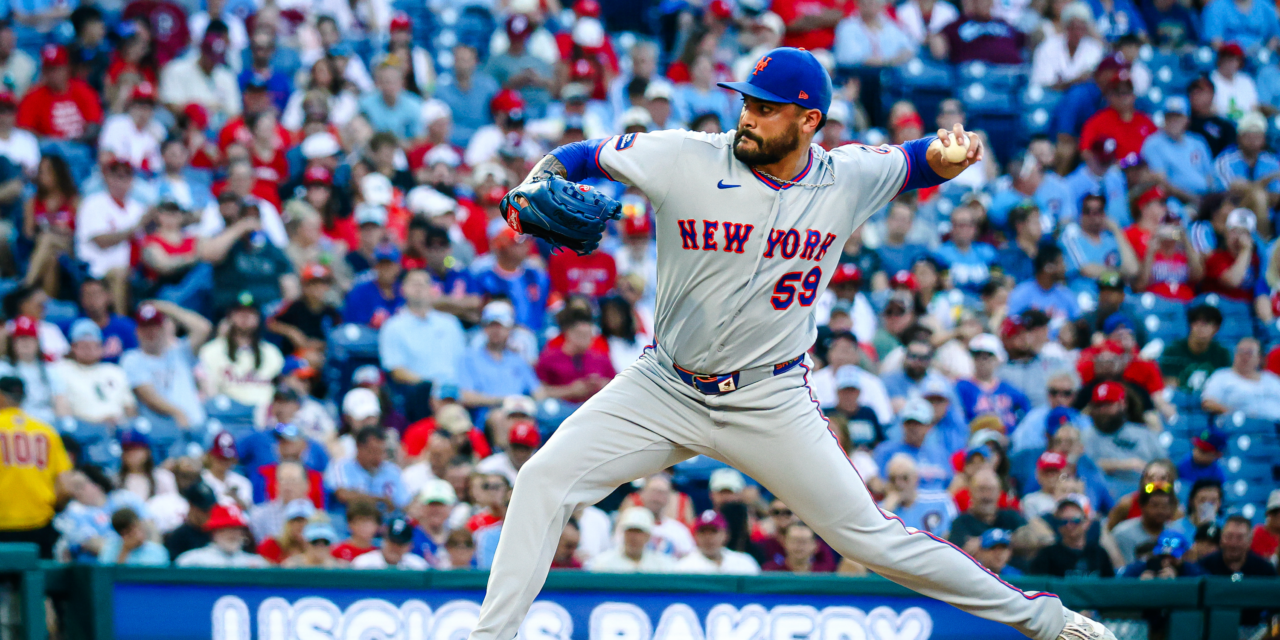
Sean Manaea, Saturday’s starter, only lasted 4 2/3 innings, giving up seven hits, four earned runs, and a pair of home runs. Kodai Senga, who I’m sure manager Andy Green hoped would be able to eat bulk innings, lasted only 1 1/3 innings, giving up three hits, two earned runs, and walking three. For Manaea, it had looked like he had turned things around, before returning to his struggles in July. For Senga, well, this is just more of the same of a nightmare of a season.
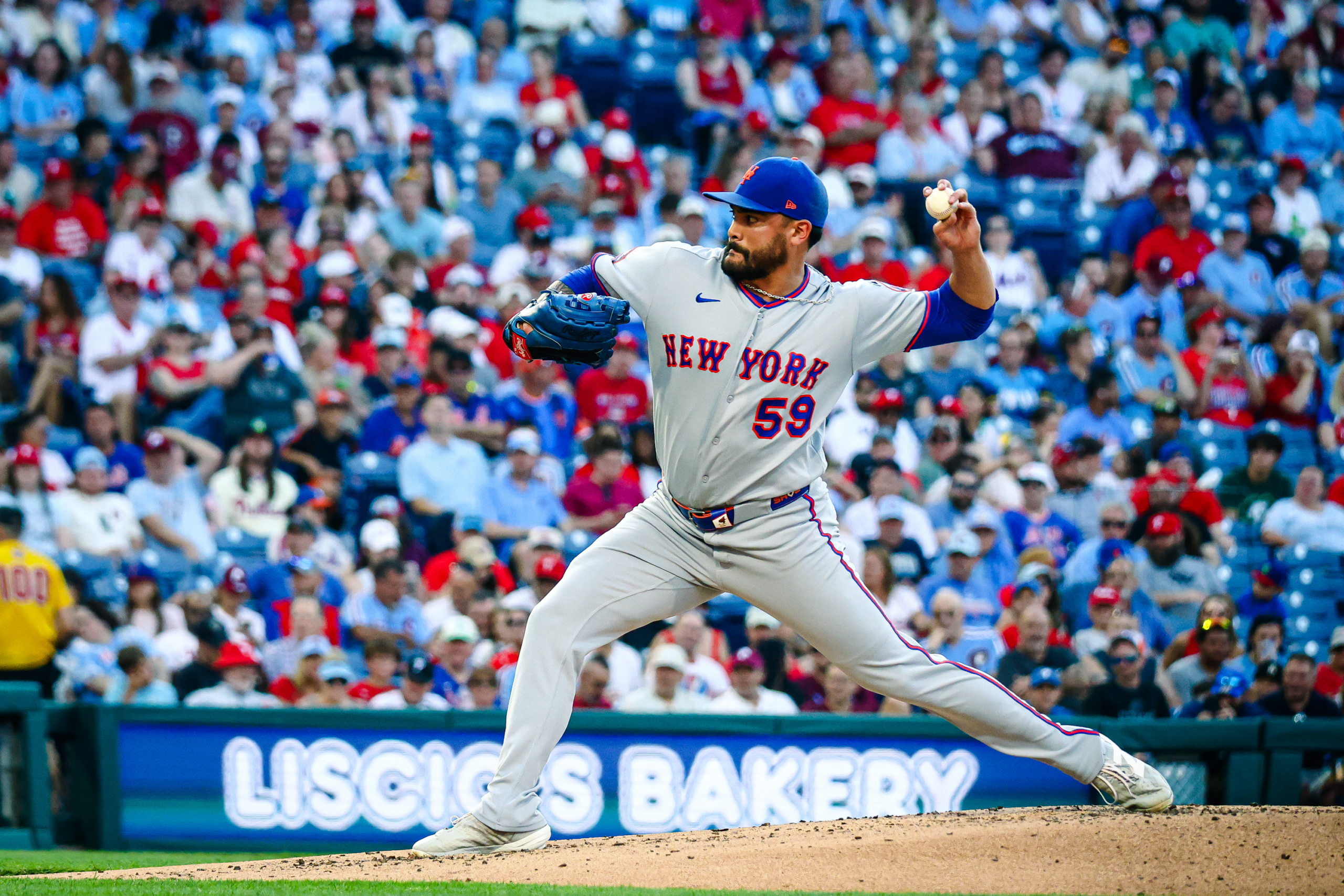
Sean Manaea by Berto Carlo
In the months of May and June, Manaea had started to look like the 2024 version Mets fans thought they were getting. Over that span, between a mix of bullpen outings and starts, he had pitched 41 innings with a 3.73 ERA. During those months, Manaea had only given up three home runs, with no more than one in a single outing. Most notably, his fastball velocity had returned to where he was at pre-injury. Unfortunately, July has not been kind to Manaea. Over 16 2/3 innings, Manaea’s ERA has jumped back up to 4.86, and has given up two home runs in each of the last four starts.
Manaea’s biggest problem, despite what it might seem, has not been his fastball. It has been his lack of a real secondary pitch. This year, almost 90% of pitches he has thrown have been fastballs, sweepers, or sinkers. The results on his fastball have been good, his sinker is fine, so what’s the problem?
Well, the problem is that Manaea’s sweeper is the single worst breaking ball in all of baseball. Manaea’s sweeper has a run value of -11 this year, making it the single worst breaking ball of any pitcher or breaking pitch type in the majors this year. Not just sweepers, all types of breaking balls. The thing is, the pitch is not grading that poorly from a metrics perspective. It’s spinning as much as ever, has solid movement, and has a proper drop in velocity compared to his hard stuff. However, that might be part of the problem.
Manaea’s sweeper, on average, is only 75.4 mph. Eventually, with how good the hitters are today, it’s probably going to get hit. This year, hitters are hitting .289 off the sweeper, with a whopping .506 SLG off the sweeper. The problem is, the solution is not as easy as “just throw it less.” He simply doesn’t have any other breaking pitches that he is able to throw.
Senga, on the other hand, is struggling all around. No matter what role the Mets try to use him in, he just simply cannot perform. Saturday was no different, giving up two earned runs in only 1 1/3 innings of relief work. The story was very similar for Senga: a combination of a staggering inability to throw strikes and having no success with any pitch other than his forkball.
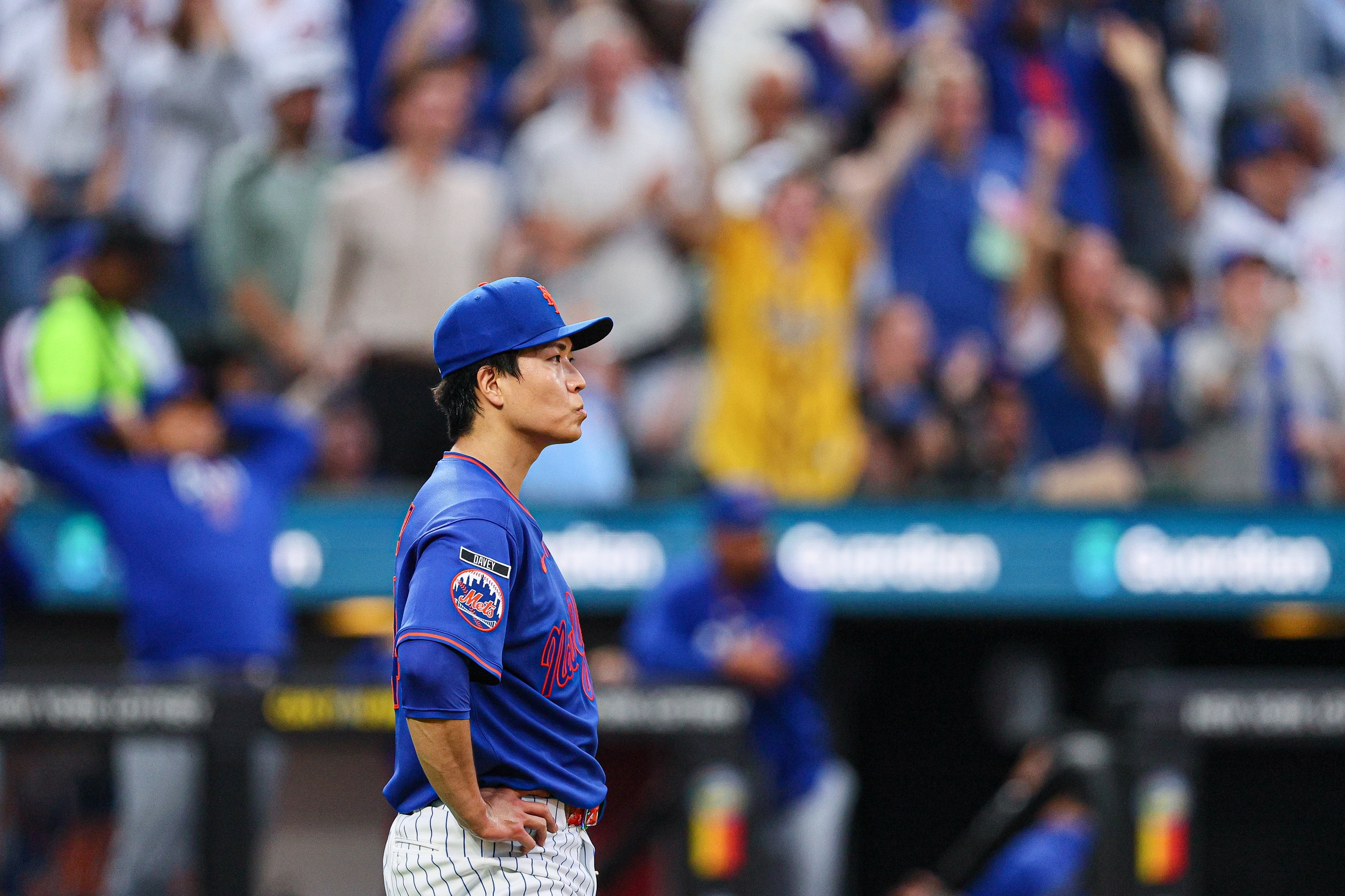
Photo Credit: Vincent Carchietta-Imagn Images
Kodai Senga has now thrown 40 2/3 innings this year. Of any pitcher with at least 40 innings pitched, Senga ranks: lsast in BB/9, second to last in BB%, last in ERA, last in WHIP, tied for last in HR/9, and last in FIP.
Earlier, it was mentioned how Manaea’s sweeper was the worst breaking ball in all of baseball. Manaea’s sweeper pales in comparison to Senga’s fastball. Senga’s -8 run value on his fastball is tied for 10th worst in baseball, and the only reason why it’s not number one or two is because he hasn’t had the change to throw it enough.
This year, when throwing a fastball, opposing hitters are hitting .328 and slugging .655. For reference, Luis Arraez is hitting .327 this year (second in baseball), and Yordan Alvarez leads baseball with a .635 SLG. When Senga throws his fastball, combine Arraez and Alvarez, and you still aren’t as good as opponents are currently doing off Senga.
Two things can be true. The Mets were never going to win this game because of how poorly their offense and defense played, but their pitching was not nearly good enough to win the game.