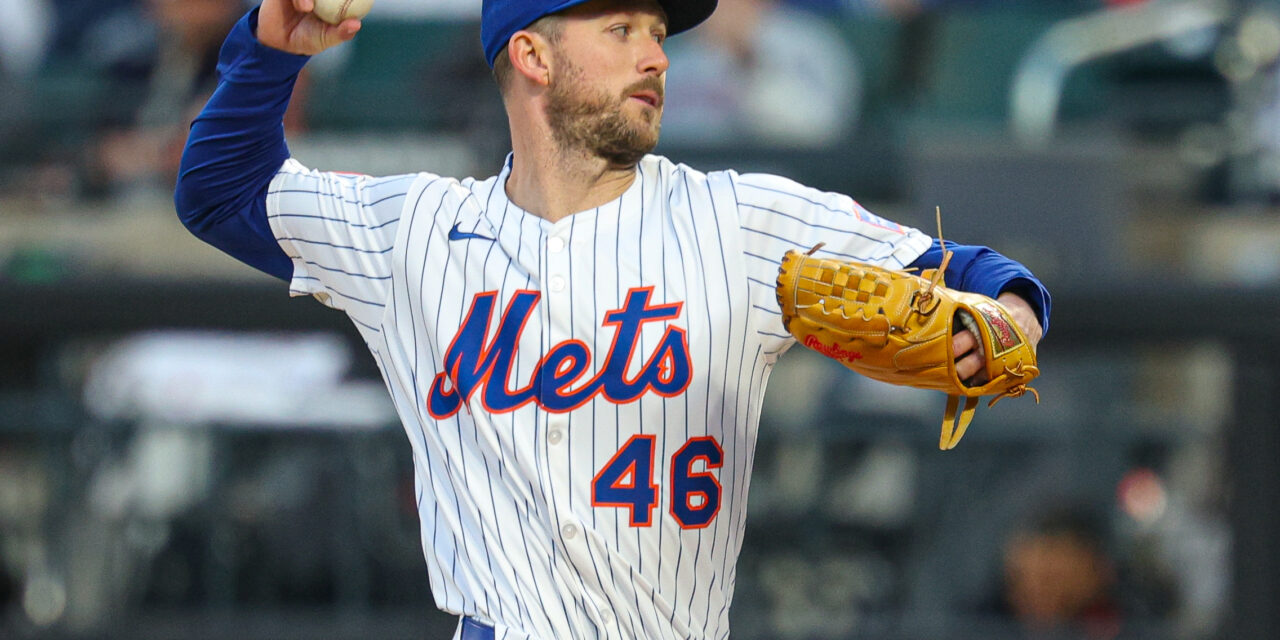
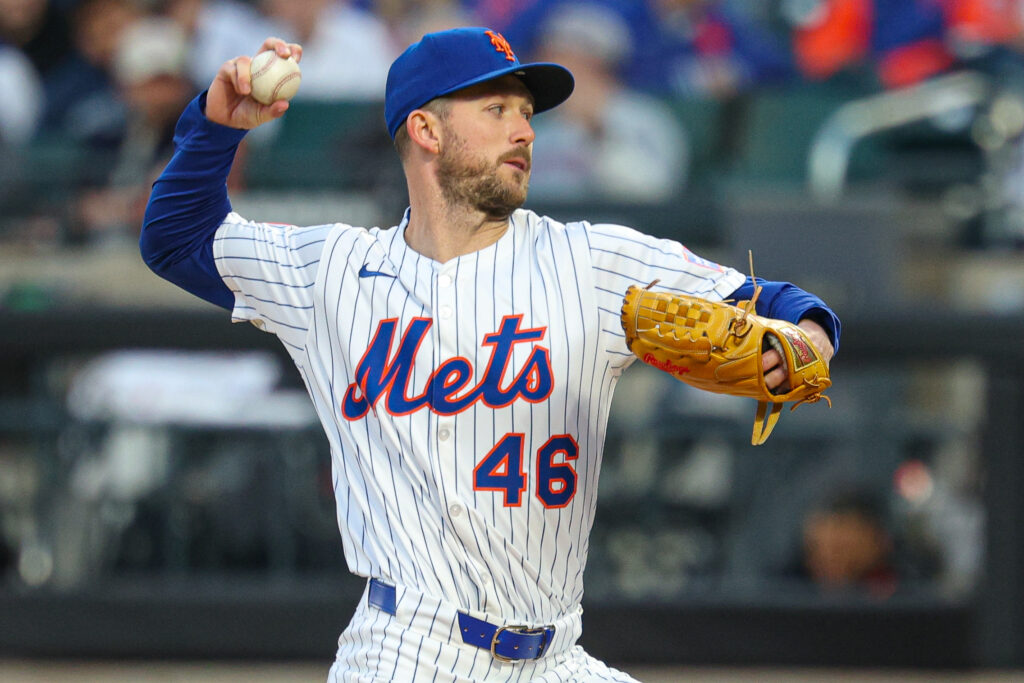
With two starters out of commission until at least May, right-hander Griffin Canning has been handed a significantly heavier workload than anticipated.
He certainly delivered on Thursday, though, with six sharp innings of one-run ball against the St. Louis Cardinals.
Vincent Carchietta-Imagn Images
After walking two in the first inning, he settled in and finished strong, retiring nine straight. The one run he allowed came on a pair of hard-hit grounders.
“Tonight is how I want to pitch,” Canning said after the game.
Canning threw 102 pitches overall, with 65 of them for strikes. Unlike in some of his previous starts, he leaned on his four-seam fastball as his primary weapon, throwing it 45 times.
In today’s game, a 93 mph fastball like Canning’s ranks in the bottom third of the league for velocity. That’s why, until Thursday, the game plan has been to overwhelm hitters with his slider.
He still used his slider quite often against St. Louis, but this time he played it off the fastball, not the other way around—showing his ability to adjust based on different lineups and their approaches. It was something he acknowledged after the game.
“On the same page as Luis [Torrens] back there. Thankful for him to be back there calling a great game,” Canning said. “Felt like they were sitting offspeed … I threw some cutters to lefties towards the end of the game … a couple of curveballs …”
The ability to diversify and rely on different pitches as lineups turn over is a mark of a skilled pitcher. It’s a necessity for starters who don’t want to get bounced out the league. Canning did exactly that.
He was able to generate 16 swings and misses on Thursday, including some off his fastball. When elevated in the zone, he was able to blow it by Cardinals hitters.
When batters did make contact with Canning’s fastball-slider combo, most were unable to square it up. Soft contact hasn’t traditionally been part of Canning’s profile, and it’s unfortunately still been a bit of a problem this year. He ranks in the 10th percentile for average exit velocity (92.7 mph) and the 10th percentile for hard-hit percentage (52.6%). However, he’s mitigated the damage by keeping that hard contact on the ground 54.4% of the time, a very encouraging sign.
As always, some credit goes to Jeremy Hefner and the Mets pitching lab. Canning has already been a workhorse in the past, particularly last year. In 2024, the Los Angeles Angels squeezed 171 2/3 innings out of the right-hander. But after posting a career 4.78 ERA heading into 2025, he now boasts a very respectable 3.43 mark this season. If Canning proves to be more than just an innings eater, the Mets will be thrilled, and David Stearns will have secured a steal of a deal.
Only time will tell if Canning can maintain this level of effectiveness, but he’s making the most of his opportunity so far. However, even if the Mets switch to a six-man rotation, he could be the odd man out. Both he and Tylor Megill have options remaining. Still, it must be noted — Canning is off to a very encouraging start.