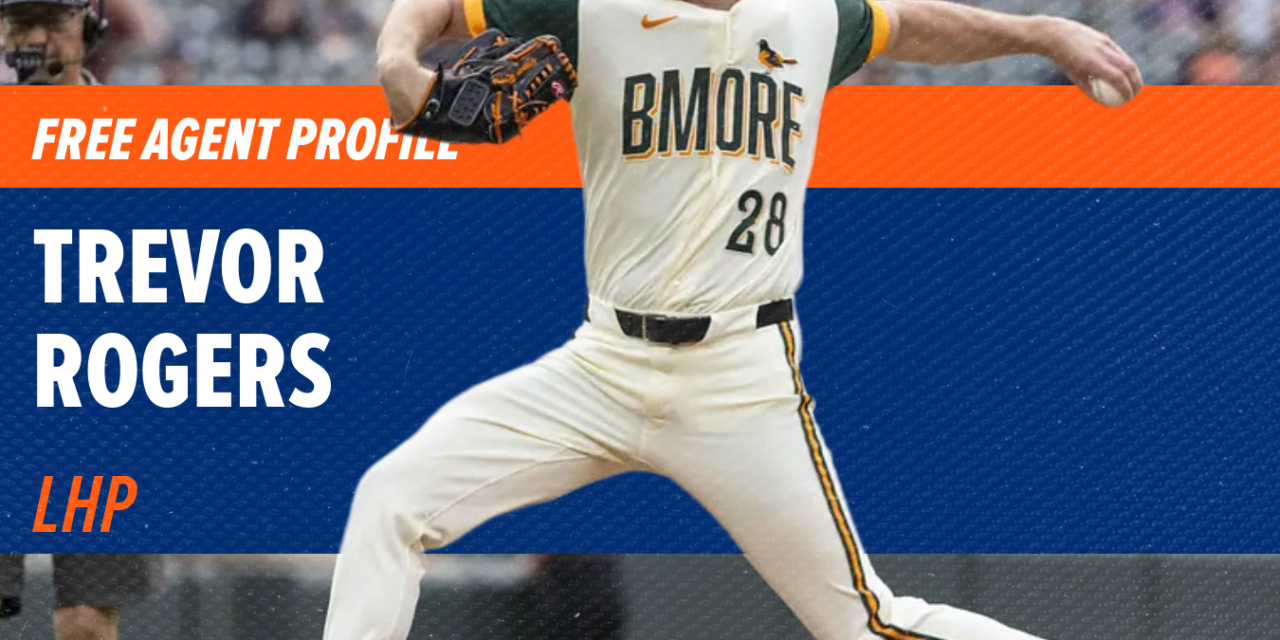
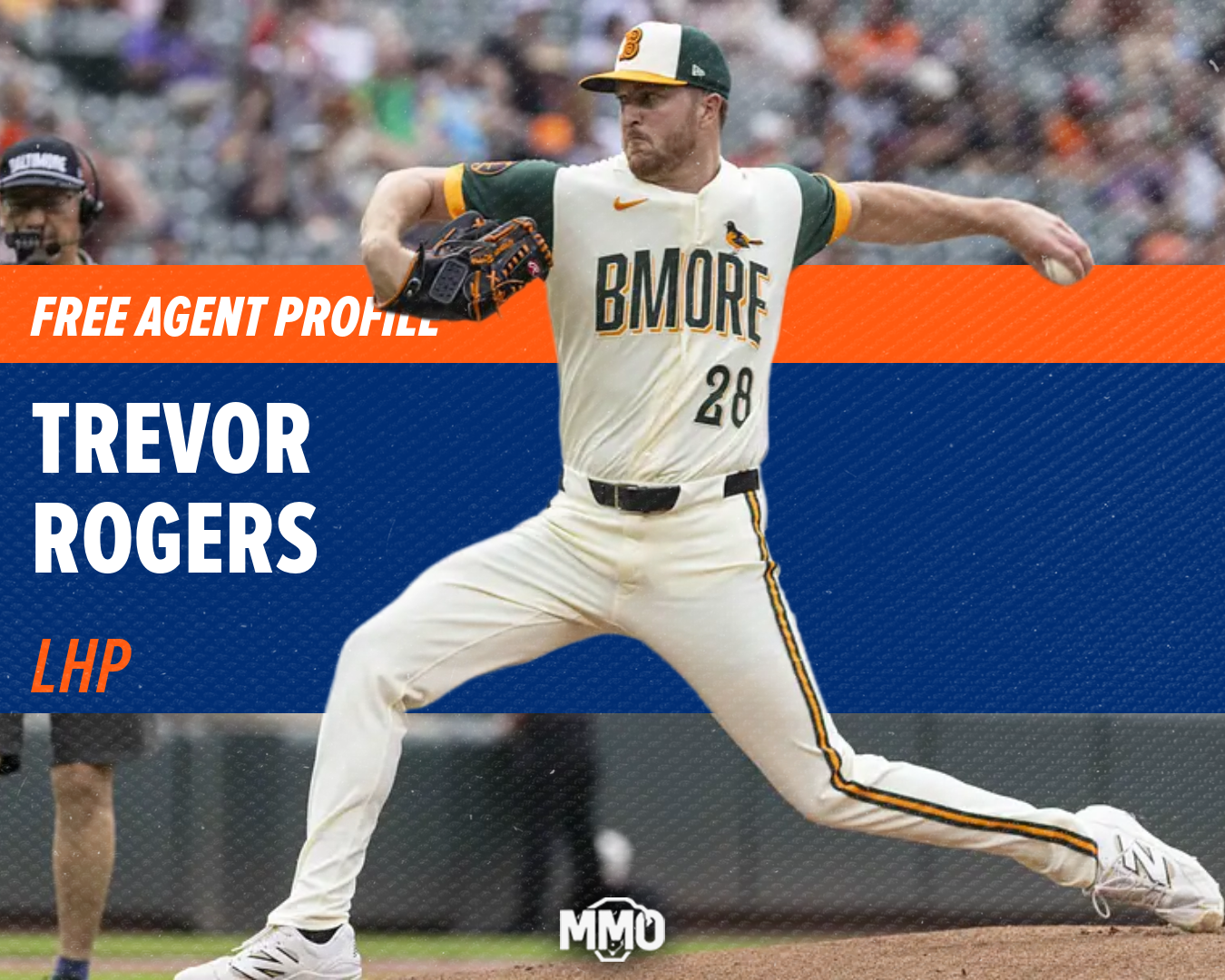
Trevor Rogers, SP
Player Data: Age: 28 (11/13/1997) B/T: L/L
2026 Traditional Stats: 30 G (30 Starts), 169 2/3 IP, 4.03 ERA, 1.185 WHIP, 10-11, 157 K, 39 BB
2026 Advanced Stats: 101 ERA+, 22.5% K%, 5.6% BB%, 3.60 xERA, 3.45 FIP, 3.92 xFIP, 4.0 fWAR, 2.2 bWAR
Breakdown
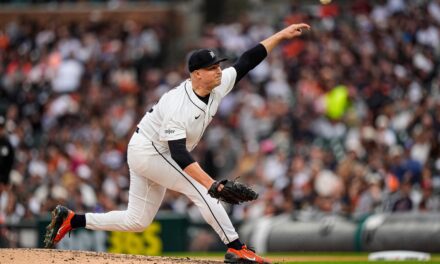
In 2021, Trevor Rogers was a rising star. As a 23-year-old, he made the All-Star Game and finished second in National League Rookie of the Year voting. However, his stock plummeted with three straight disappointing seasons, which included multiple stints on the injured list. Rogers was traded to the Orioles in the summer of 2024 but struggled badly enough that he was sent down to Triple-A. In 2025, he began the season on the IL, but when he returned, he was able to recapture the magic he had as a rookie, posting a 1.81 ERA over 109 2/3 innings. Unfortunately, he tripped out of the gate in 2026, owning a 6.84 ERA at the end of May. From June 4 to the end of the season, though, Rogers posted a 2.90 ERA with 119 strikeouts against 21 walks over 121 innings. During that stretch, Rogers averaged just over six innings per start, which is right in line with what he did in 2025. The southpaw looked like the player the Orioles thought they had acquired in 2024, regaining form just in time to hit free agency.
Rogers has never been a flamethrower, though his fastball velocity increased from 93.0 mph in 2025 to 93.8 mph in 2026. Thanks to his relatively low 22-degree arm angle, he’s especially tough on lefties, holding them to a .186/.236/.280 slash line with just one home run in 174 plate appearances. Righties, however, tagged him for 18 homers and a .269/.310/.449 batting line. While his fastball wasn’t as dominant as it was in 2025, it still produced a solid +11 run value, holding opponents to a .227 batting average and seeing its whiff rate increase to 24.7%. His sweeper, cutter and sinker all produced positive run values, but his change-up regressed dramatically, posting a negative 11 run value and getting torched for a .336 batting average and .477 slugging percentage.
While Rogers’ strikeout rate took a bit of a step back, his walk rate dropped to a career-best 5.6%, ranking in the majors’ 92nd percentile. His underlying metrics from 2025 showed that his eye-popping surface numbers likely weren’t sustainable, but in 2026, those fortunes were completely reversed. Rogers’ BABiP increased from .226 to .297 despite his hard-hit rate dropping from a career-high 48.4% to 36.2%. Rogers also wasn’t able to maintain his pristine 84.2% strand rate, as it plummeted to 69.2% in 2026. However, he was able to get hitters to go out of the zone more often, with his chase rate increasing from 30% to 35.6%. Rogers’ 3.60 xERA, 3.45 FIP and 3.92 xERA all indicate that he was dealt some bad luck in 2026, and his strong performance over the last four months of the season indicates that he can be better than what his overall season numbers dictate.
Contract
Rogers was tendered a qualifying offer by the Orioles, which is worth $23.15 million. He is widely expected to decline that offer. MLB Trade Rumors predicts that Rogers will sign a five-year deal worth $115 million. In a free-agent class that lacks pitching depth, Rogers is one of the top arms available, and he is younger than most of the arms on the market, as he is only entering his age-29 season.
Recommendation: Worth Checking In
David Stearns has made it clear that his top priority this offseason is bolstering the pitching staff. Behind Tarik Skubal, Rogers could be considered the second-best pitcher available, but he’s one of the few starters who has a qualifying offer attached. If the Mets were to sign Rogers, they would have to surrender two draft picks (second- and fifth-highest) and $1 million in international bonus pool money. If Skubal signs elsewhere, Rogers could be part of a contingency plan, though he isn’t quite an ace-caliber arm. Rogers will likely receive a hefty payday, and the Mets should only consider signing him if it doesn’t require breaking the bank.