The ripple effects that have been flowing through the trading card industry since last August’s announcement that Fanatics had signed new licensing deals with MLB, the MLBPA, the NBA, the NBAPA, and the NFL to become the exclusive manufacturer of trading cards, reached a crescendo Monday night as Fanatics announced its latest industry changing trading card deal by purchasing the Sports and Entertainment division of Topps Trading Cards.
Terms of the deal have not been released, but industry sources believe the deal to be in the range of $500 million.
The August announcements stunned industry insiders as Fanatics began to rapidly gain a stranglehold on the resurging trading card industry by first announcing the licensing deals with the NBA, NBAPA, and the NFL. The announcement of their licensing deals with MLB and the MLBPA just days later caused the biggest shockwaves as it signaled the end of Topps’ 70-year run as the exclusive manufacturer of baseball cards.
Prior to Fanatics’ announcement of the new licensing deals, Topps’ owner Tornante – a private investment firm owned by former Disney CEO Michael Eisner – had planned on going public with a $1.3 billion SPAC merger with Mudrick Capital Acquisition Corp II. The SPAC deal quickly fell apart after the news broke of Topps losing the licensing to its crown jewel.
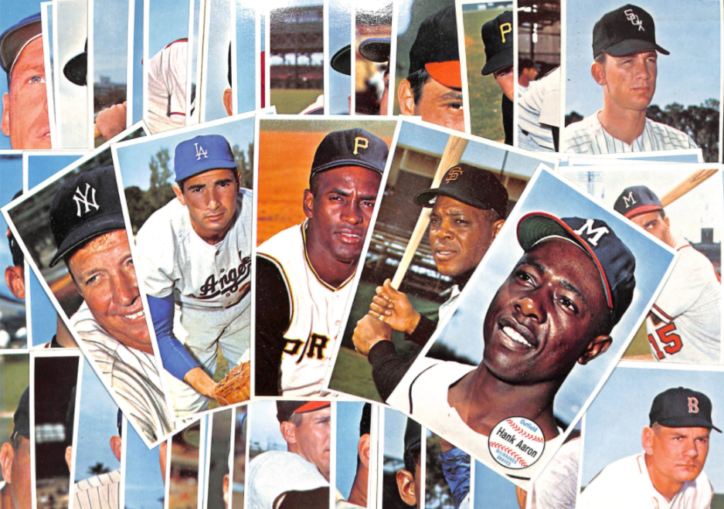
Topps has been the exclusive manufacturer of baseball cards since 2009. They first began printing baseball cards in 1951 and were in the midst of celebrating their 70th year printing cards. Topps was caught off guard by the announcement of the licensing deals with Fanatics and was not aware that MLB and MLBPA were even negotiating with Fanatics until after the new deal had been signed.
The current licensing deals with Topps expires in 2023 for the MLBPA and 2026 for MLB. Once the MLBPA licensing deal expires after the 2022 season, Topps would no longer have the rights to manufacture baseball cards with the likeness of any major league players and would have to resort to printing baseball cards for minor leaguers and retired players until the licensing deal with MLB expires in 2026, thus delaying a slow and painful death for a brand that has been synonymous with baseball fans for generations.
With the purchase of the Topps name, along with the entire Sports and Entertainment division, Fanatics now has a ready-made operation in place and immediately conveys the Topps licensing deals in the purchase agreement. The Topps employees in the Sports and Entertainment division will all transfer to Fanatics, with the division leadership staying in place.
Fanatics also is acquiring Topps’ licensing rights for WWE, three major soccer leagues, and several other entertainment brands. The acquisition does not include Topps’ gift card or confectionary divisions.
Fanatics CEO Michael Rubin tweeted, “Could not be more excited for the future of our trading card business with the acquisition of Topps, the preeminent and most trusted trading card brand worldwide!! We are proud to share that the iconic Topps brand will remain on all MLB cards, which we are making as of today.”
The acquisition of Topps has much more far-reaching implications as a whole for the sports cards industry. With Fanatics having previously signed licensing deals with the NBA, the NBAPA, and the NFL, there is the possibility that collectors may once again see Topps printing both basketball and football trading cards. Panini America currently holds the licensing rights for the NBA and the NFL.
Fanatics also hopes to become the main source for all collectors. They’re also looking to expand on the direct-to-consumer model that Topps created with eTopps. Fanatics was able to convince the players that they could generate over $1 billion in revenue for the players’ unions for the life of the licensing agreements and according to industry sources, offered the players a seat on the board of the new trading card company. Industry insiders expect to see Fanatics create a second market source of their own where collectors could purchase, insure, grade, as well as sell on their own marketplace.
With sale prices for cards skyrocketing to new all-time highs on an almost monthly basis during the COVID-19 pandemic and driving renewed interest in the hobby for old and new collectors, it appears Fanatics has chosen the perfect time to make a major splash in a revitalized industry.