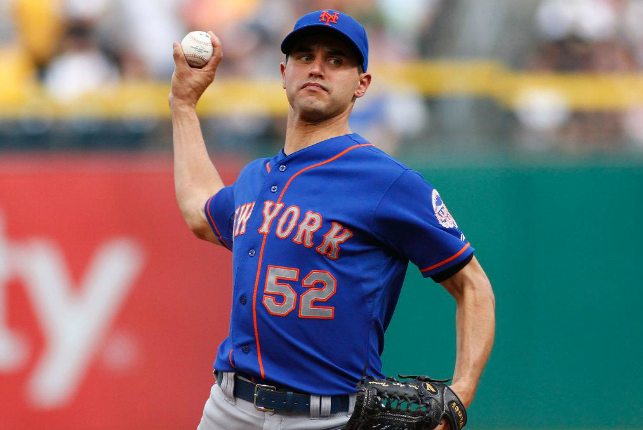
Remember Carlos Torres? Three years with the Mets, and that commodity out of the bullpen for then manager Terry Collins. He was the spot starter, had a mop up role, and came out of the pen for an occasional save.
With his up and down career with the Mets, Torres was left off the 2015 postseason roster. He became that reserve and remained home in Kansas if and when there was a need to fill a gap in the event a pitcher went down during the Mets run to a championship.
However, the call never came. Torres threw sessions at nearby facilities nearby his home. Later, his three-year stint with the Mets was over and the quest to continue included a combined four years with the Brewers, Nationals, and Tigers.
So, why do you ask to discuss Carlos Torres?
Despite being nearly 38 years old, Torres was not ready to give up on pitching in the MLB again. But now Torres is facing reality about an 11-year baseball career that may be over after breaking in with the White Sox in 2009.
A career that includes many stints with minor league affiliates. A career of getting the call and earning the Major League player minimum salary with those renewal options in the contract.
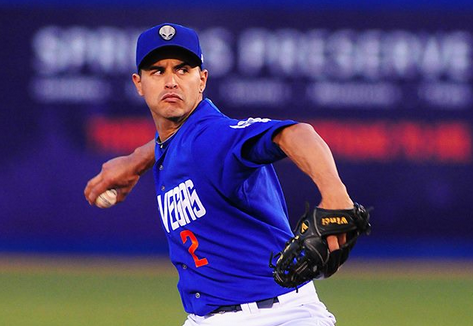
Those years with the Mets, Torres was always accessible to yours truly. We developed a bond of media member and the player that often becomes a case in the dugout and postgame clubhouse. We would have chats on the 7-line ride from Citi Field to Grand Central or Times Square.
He knows the ins, the outs of baseball. Torres has knowledge about the contracts and complexities that go with it.
Again, why talk about Carlos Torres?
Monday, as first reported by ESPN, The Supreme Court denied Major League Baseball and their request to dismiss a class certification and lawsuit that was filed on behalf of minor league players to receive compensation for their work.
“Basically means they can still mitigate it and fight for the players to get minimum wage,” Torres said about the Supreme Court decision.
“MLB did not want players to fight for a right to get minimum wage. Reason why is they want the owners to suppress wages to a degree that will allow them to make more money off minor affiliates.”
But these are the minor league affiliates that owners are attempting to decrease and always have been a backbone for the game. But owners are citing a significant loss of revenue due to the pandemic and are forging ahead to go with a plan and reduce minor league systems.
The implications are that players may now have a case to get compensation for their hours worked. But this is far from complete and something of limited or no knowledge to the average fan. The assumption among fans is that players on the minor league level are compensated, and well. To the contrary that is not true.
There are many inequities as MLB owners are committed to depleting minor league affiliates and cutting costs, especially as they cite steep financial losses due to the pandemic. Although the high draft pick is compensated.
The reorganized 2020 amateur draft saw 40-rounds limited to five. And the disparity of signing was something to nothing for a draft pick. Example, a third round selection of the Houston Astros signed for a reported $850,000 and is now property of the team after bypassing a college scholarship.
Torres, when contacted for comment, was in his daily routine of vigorous exercise and hitting the weights. He hopes to be a part of the Mexico Olympic Baseball team next year but that may also be a challenge.
Basically, Carlos Torres still can throw a fastball and a cutter. He keeps in touch with former teammates and those connected with minor league affiliates. He provides a better perspective of why the Supreme Court is involved with baseball and a minor league salary structure that does not seem fair.
“MLB has designated minor league players as apprentices but they’re not,” Torres explained. “It allows Triple-A 1 players to be paid $2,000 a month, Double-A players less. Nevertheless, they are all below the poverty line until they get to 40-man roster.”
That is, if they get to the 40-man roster. Torres was fortunate to reach that status of the 40-man and received his MLB minimum contract with options here and there for another year. Compared to thousands of others that go back-and-forth, he was in that fortunate group.
“Forty-man roster status would change,” he said. “You are only brought there if you are brought to the big leagues. I was raised in poverty. I would go out and get a job during the offseason. I was lucky enough to be brought up to the big leagues when I was brought up to the 40-man roster.”
Meaning to all of this: Get to the 40-man and a player gets compensated for six months. For years, minor league players have been paid below the minimum wage for their hours on the field. Had they played this year Triple-A players would receive $700 per week, Double-A $600. Class A $500.
For Rookie League and short season players, many of the affiliates in jeopardy of being eliminated, they make just $400. It’s simple, players on those levels struggle as they continue their quest.
Bottom line, as Torres said, “If you are entering in it you already know what it is. For baseball players, until they become another arm of the union it’s not going to happen.”
But this Supreme Court decision, as Torres says, gives minor league players that ability to keep fighting.
Comment: Twitter@Ruing786 Facebook.com/Rich Mancuso